24207 Kingsland Blvd Katy, TX 77494

Why Dental Cleanings Hurt and What We Do to Stop It

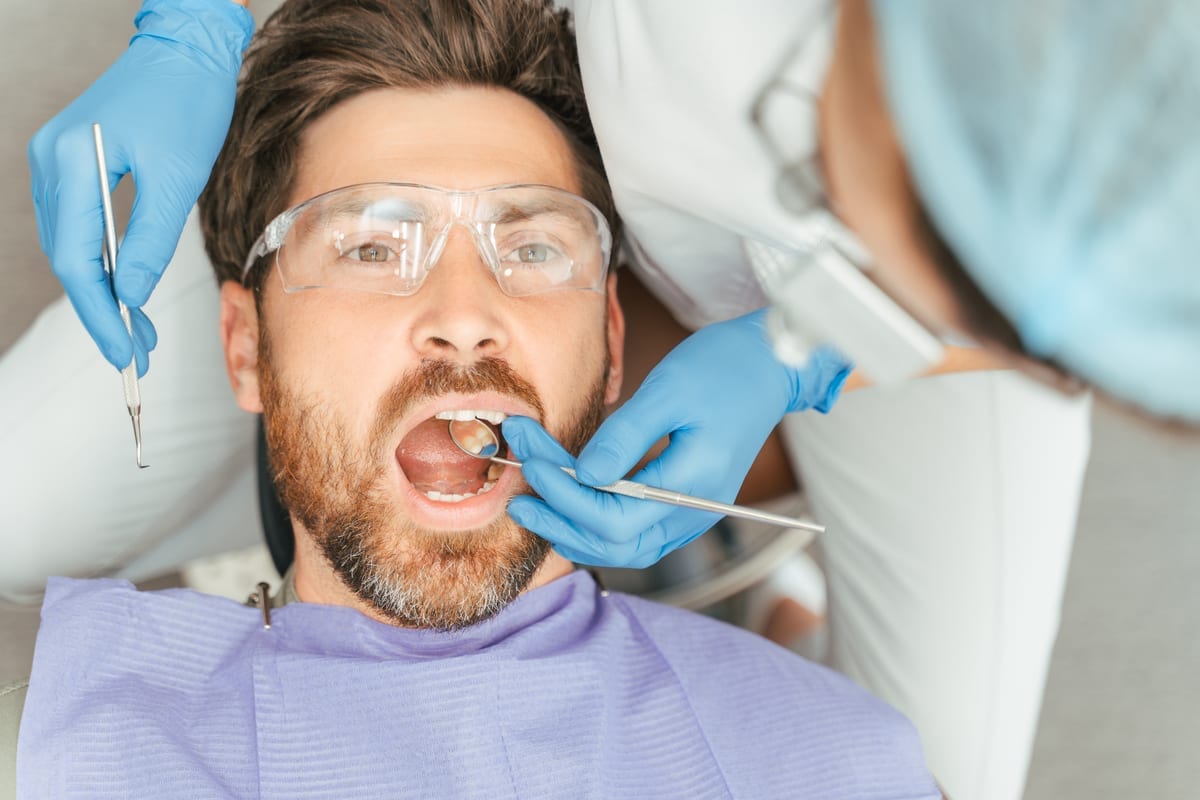
If you have ever winced during a dental cleaning, you are not alone. Many patients in Katy, TX ask us why dental cleanings hurt and what we do to stop it. The good news is that sensitivity during cleanings is usually explainable — and very manageable. At Katy Smile Design, Dr. Lauren Shepard and our hygiene team take your comfort seriously every step of the way.
Understanding the reasons behind cleaning discomfort helps patients feel less anxious. When you know what is happening and why, the experience becomes far less intimidating. Let us walk you through the most common causes of sensitivity and exactly how we address them.
Why Do Dental Cleanings Cause Sensitivity?
Cleaning sensitivity is rarely random. It almost always has a specific, identifiable cause. Knowing the root reason helps us tailor your care accordingly.
The most common culprits behind discomfort during a cleaning include:
- Gum inflammation — Inflamed gums bleed and ache more easily when touched by instruments.
- Tartar buildup — Hardened tartar requires more pressure to remove, which can feel uncomfortable.
- Exposed tooth roots — Receding gums leave sensitive root surfaces unprotected.
- Enamel erosion — Worn enamel makes teeth respond sharply to vibration or cold water.
- Dental anxiety — Tension causes muscle clenching, which amplifies perceived pain signals.
Each of these issues requires a different response from your hygienist. Our team identifies your specific sensitivity triggers before the cleaning even begins. That way, we can adjust our approach rather than use a one-size-fits-all technique.
What Our Hygienists Do to Minimize Discomfort in Katy
At Katy Smile Design, we do not simply push through discomfort. We actively work to reduce it at every stage of your appointment. Our hygienists are trained to read patient cues and adjust in real time.
Here is a step-by-step look at how we manage sensitivity during your cleaning visit:
- Pre-appointment conversation — We ask about your sensitivity history before we start. This helps us plan the right approach from the beginning.
- Topical numbing gel — We apply a topical anesthetic to sensitive gum areas before using instruments. This significantly reduces nerve irritation.
- Gentle scaling techniques — Our hygienists use light, controlled strokes rather than aggressive scraping. This removes tartar without traumatizing surrounding tissue.
- Ultrasonic scalers when appropriate — Ultrasonic instruments use vibration and water to loosen deposits gently. Many patients find them more comfortable than traditional metal tools.
- Regular check-ins — We pause frequently to ask how you are feeling. You are always in control of the pace.
We also encourage patients to raise their hand at any point if they need a break. There is no judgment and no rushing here. Your comfort shapes the entire appointment.
Sensitive Teeth and Gum Disease: What You Should Know
Sometimes cleaning sensitivity is a sign of an underlying condition. Gum disease, also called periodontal disease, is one of the most common reasons cleanings feel painful. Inflamed, infected gum tissue is far more reactive than healthy tissue.
If your cleanings are consistently uncomfortable, Dr. Shepard may recommend a deeper evaluation. Periodontal care, such as scaling and root planing, targets infection below the gumline. Treating the underlying disease often makes future cleanings much more comfortable.
Patients who have gone a long time between visits often feel more sensitivity. That is simply because more buildup has accumulated. Regular six-month cleanings actually reduce sensitivity over time by preventing heavy tartar deposits from forming.
We also discuss tooth replacement options with patients who have lost teeth due to gum disease. Options like Implant Dentistry Katy and Dental Bridges Katy can restore function and help protect remaining teeth and gum tissue.
How to Prepare for a Comfortable Cleaning Appointment
There are several things you can do before your appointment to reduce sensitivity. Preparation makes a real difference, especially if you have had uncomfortable cleanings in the past.
- Take an over-the-counter pain reliever beforehand — With your doctor’s approval, ibuprofen taken one hour before can reduce inflammation and discomfort.
- Use a sensitivity toothpaste for two weeks prior — Ingredients like potassium nitrate help calm nerve endings in advance.
- Stay hydrated — Dry mouth worsens sensitivity, so drink plenty of water before your visit.
- Tell us your concerns upfront — The more we know about your history, the better we can personalize your care.
- Practice slow breathing — Deep breathing during the appointment relaxes muscles and lowers perceived discomfort.
Dr. Lauren Shepard and the team at Katy Smile Design welcome patients who feel nervous or have avoided the dentist because of past painful experiences. We hear you, and we will work with you — not around you.
When Sensitivity After a Cleaning Is Normal
Some tenderness after a cleaning is completely expected. Your gums and teeth have just been through a thorough, professional cleaning process. Mild soreness for 24 to 48 hours is normal, especially after your first cleaning in a while.
You can manage post-cleaning sensitivity with a soft-bristled toothbrush and a fluoride rinse. Avoid very hot or very cold foods for a day or two. Over-the-counter pain relief is usually sufficient if needed.
However, sharp or lingering pain that lasts beyond two days deserves attention. Contact our office if you notice intense or worsening sensitivity after your cleaning. It could indicate a cracked tooth, deep decay, or another issue that needs prompt evaluation.
Frequently Asked Questions
Why do my teeth hurt so much during a cleaning?
Most cleaning pain stems from gum inflammation, tartar buildup, or exposed tooth roots. These issues make teeth and gums more reactive to instruments and water. Sharing your sensitivity concerns before your appointment allows our team to adjust their technique and use numbing options if needed.
Can I ask my hygienist to stop if it hurts too much?
Absolutely. At Katy Smile Design, you are always in control of your appointment. Raise your hand at any time and we will pause immediately. We can take breaks, apply additional numbing gel, or adjust our approach to keep you comfortable throughout the visit.
Is cleaning sensitivity a sign of gum disease?
It can be. Inflamed or infected gum tissue is far more sensitive than healthy tissue. If your cleanings are consistently painful, Dr. Shepard may evaluate you for periodontal disease. Treating gum disease often makes future cleanings significantly more comfortable.
How often should I get a cleaning if I have sensitive teeth?
Most patients with sensitive teeth benefit from regular six-month cleanings. Consistent cleanings prevent heavy tartar buildup, which is a major cause of discomfort. Some patients with active gum disease may need more frequent visits, which Dr. Shepard will recommend based on your individual needs.
Does teeth whitening make cleaning sensitivity worse?
Teeth whitening can temporarily increase tooth sensitivity, but it is separate from cleaning-related sensitivity. If you are planning whitening treatments, let our team know so we can schedule and sequence your care appropriately. We offer professional teeth whitening at Katy Smile Design and can guide you through the safest approach for your specific situation.
At Katy Smile Design, we believe every patient in Katy, TX deserves a cleaning experience that feels safe, comfortable, and judgment-free. Dr. Lauren Shepard and our entire team are here to make that happen for you. Book Now to schedule your appointment with our team.