24207 Kingsland Blvd Katy, TX 77494

Your Teeth Are Vulnerable After Cleaning—Here’s What to Avoid

Most people leave a dental cleaning feeling great. Your teeth feel smooth, fresh, and polished. But here is what many patients in Katy, TX do not realize — your teeth are vulnerable after cleaning, and what you do in the next few hours matters. The enamel and gum tissue are temporarily more exposed after scaling and polishing. Making the wrong choices right away can undo some of that hard work.
At Katy Smile Design, Dr. Lauren Shepard, DDS wants every patient to get the full benefit of their visit. That means knowing exactly what to avoid after a professional cleaning — and why it protects your smile long-term.
Why Your Teeth Are More Sensitive After a Cleaning in Katy
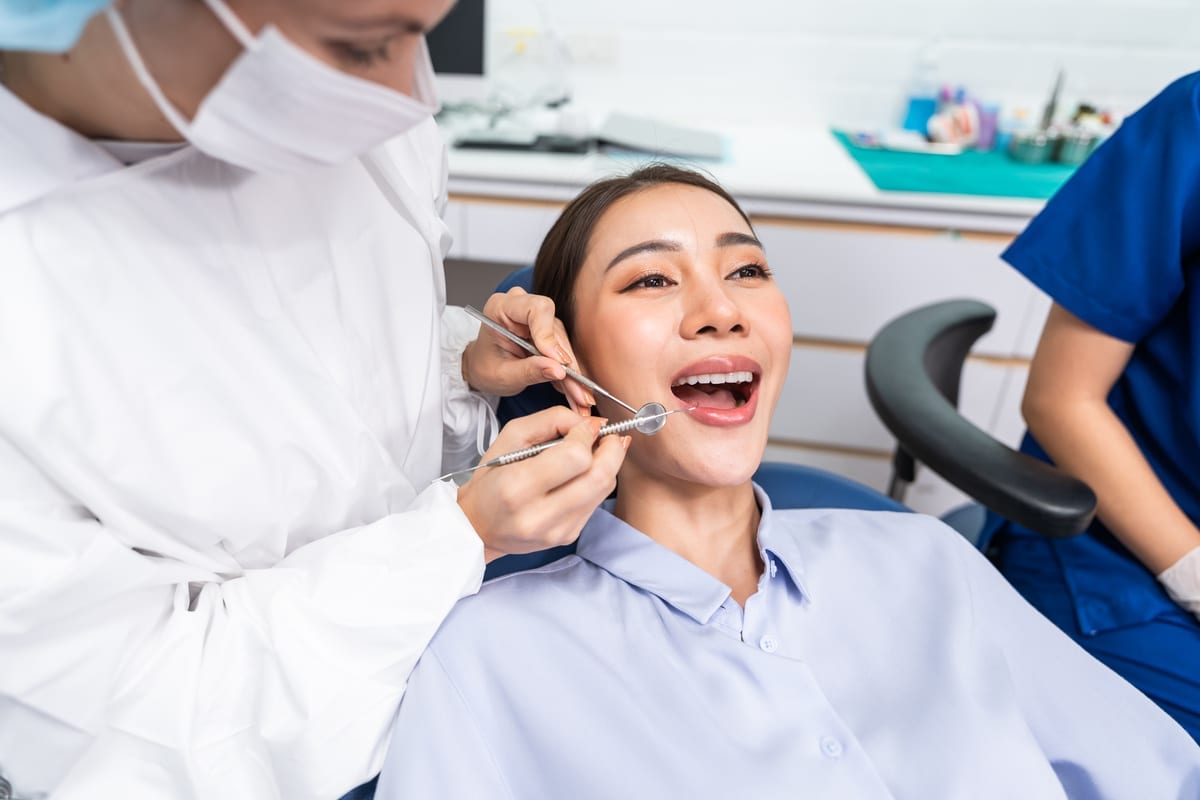
During a professional cleaning, your hygienist removes plaque, tartar, and surface stains. That process involves scaling along the gumline and polishing the enamel surface. Both steps are gentle but still cause a temporary shift in how your teeth respond to outside stimuli.
The protective film that normally coats your teeth — called the pellicle — gets removed during polishing. It rebuilds naturally within a couple of hours. Until it does, your teeth absorb staining agents and temperature changes more easily than usual.
Gums that were inflamed from plaque buildup may also feel tender after cleaning. This is completely normal. It means your hygienist reached areas that needed attention. Still, those tissues need a short recovery window.
Foods and Drinks to Avoid Right After Your Cleaning
The first one to two hours after your appointment are the most critical. Your enamel is at peak vulnerability during this window. Certain foods and drinks can stain, irritate, or erode what was just cleaned.
Here is a list of what to skip immediately after your cleaning:
- Coffee and tea — Both are highly pigmented and absorb quickly into freshly cleaned enamel
- Red wine — One of the most common causes of post-cleaning staining
- Tomato-based sauces — Acidic and deeply colored, a bad combination for fresh enamel
- Berries and dark-colored juices — Blueberries, pomegranate, and beet juice stain fast
- Acidic foods — Citrus fruits, vinegar-based dressings, and sodas weaken enamel temporarily
- Very hot or very cold foods — Sensitivity is higher right after cleaning, so extreme temperatures cause discomfort
Stick to neutral foods like water, plain rice, chicken, or dairy for the first couple of hours. Your teeth will thank you.
Habits That Undermine Your Cleaning Results
Food is not the only concern. Certain habits can also reduce the impact of your professional cleaning. Being aware of these helps you protect the work your hygienist just completed.
Smoking or using tobacco immediately after a cleaning is one of the worst things you can do. Tobacco stains penetrate enamel quickly. The gum tissue is also more vulnerable to irritation right after scaling. Waiting at least 24 hours is strongly recommended.
Skipping your water intake is another common mistake. Drinking water helps rinse away residual bacteria and debris. It also supports saliva production, which naturally remineralizes enamel after the pellicle is removed.
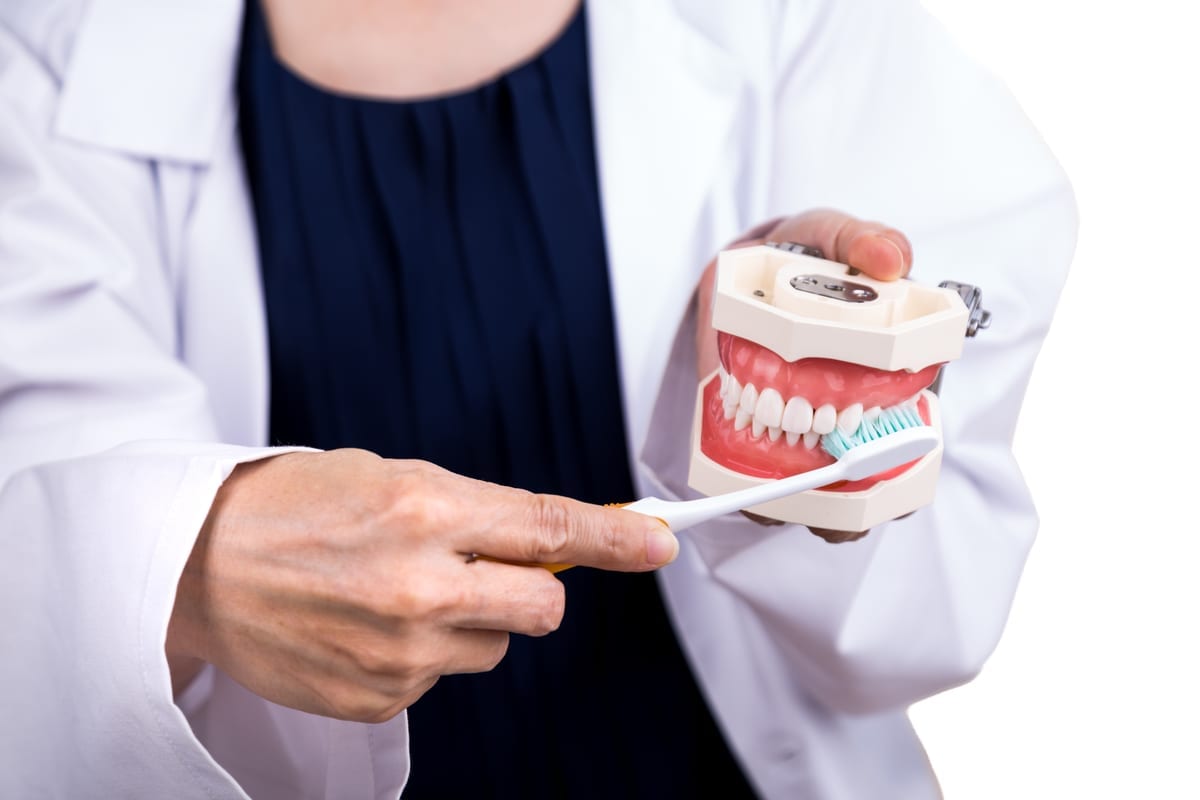
Brushing too aggressively right after your appointment can also cause harm. Your gums may be slightly tender. Use a soft-bristled toothbrush and gentle pressure for the first 24 hours. You do not need to scrub — your hygienist already did the heavy lifting.
What You Should Do After Your Cleaning Visit
Aftercare is not just about what you avoid. There are positive steps that help your mouth recover and your results last longer. Following a simple routine makes a real difference.
Here is what Dr. Shepard recommends for the hours and days after your cleaning:
- Drink plenty of water — Hydration supports saliva production and helps remineralize enamel
- Use a fluoride toothpaste — Fluoride strengthens enamel and reduces sensitivity
- Rinse with a gentle mouthwash — Avoid alcohol-based rinses right after, as they can irritate tender gums
- Wait before whitening — Do not use whitening strips or trays for at least 48 hours post-cleaning
- Eat soft, neutral foods — Give your gums a break with foods that do not require heavy chewing
- Floss gently that evening — Light flossing removes debris without stressing recovering gum tissue
These habits reinforce the benefits of your cleaning and set you up for healthier visits in the future.
How Your Overall Dental Health Connects to Aftercare
A professional cleaning is one part of a larger dental health picture. What you do after each visit builds on itself over time. Patients who follow good aftercare habits consistently show healthier gum tissue and fewer cavities at their next checkup.
For patients dealing with more complex dental needs, cleanings are also a foundational step. If you are considering Implant Dentistry Katy or Dental Bridges Katy, maintaining a healthy oral environment is essential before and after any restorative work. Cleanings keep that foundation strong.
Periodontal health directly affects how well restorations hold and heal. A clean, healthy mouth responds better to treatment and recovery. That is why Dr. Shepard emphasizes aftercare as part of every patient conversation at Katy Smile Design.
If your gums bleed, feel significantly sore, or sensitivity does not improve within a few days after your cleaning, reach out to the practice. These can be signs that your gums need additional attention. Catching issues early is always easier than addressing them later.
Frequently Asked Questions
How long should I wait to eat after a teeth cleaning?
Wait at least 30 minutes to one hour before eating after a professional cleaning. If you had a fluoride treatment applied, wait the full hour. Avoid staining or acidic foods for the first two hours to protect freshly cleaned enamel.
Is it normal for teeth to feel sensitive after a dental cleaning?
Yes, mild sensitivity after a cleaning is very common. Your hygienist removes buildup near the gumline, which can temporarily expose sensitive areas. This usually resolves within 24 to 48 hours. If sensitivity persists longer, contact Katy Smile Design for an evaluation.
Can I drink coffee after my teeth cleaning?
It is best to avoid coffee for at least one to two hours after your cleaning. The protective film on your teeth is temporarily removed during polishing, making enamel more prone to staining. Waiting helps preserve the fresh results of your cleaning.
How often should I get a professional teeth cleaning in Katy?
Most patients benefit from cleanings every six months. However, patients with gum disease or a history of heavy buildup may need more frequent visits — every three to four months. Dr. Lauren Shepard will recommend a schedule based on your specific oral health needs.
What happens if I skip aftercare steps following my cleaning?
Skipping aftercare does not cause immediate damage, but it reduces the benefit of your cleaning over time. Staining can return quickly, gum tissue heals more slowly, and plaque can rebuild faster. Simple aftercare habits extend your results significantly between visits.
Taking care of your teeth after a professional cleaning is one of the easiest ways to protect your long-term oral health. A few mindful choices in the hours after your appointment make a real difference. The team at Katy Smile Design is here to support every step of your dental health journey. Book Now to schedule your appointment with our team.