24207 Kingsland Blvd Katy, TX 77494

Invisalign Cost Factors in Katy, TX


If you’ve asked a friend about their Invisalign experience, you may have noticed something surprising. Their cost looked very different from a quote you received. Understanding why Invisalign costs vary so much between patients in Katy helps you make a confident, informed decision. Several key factors drive these differences — and none of them are arbitrary.
Dr. Lauren Shepard, DDS, at Katy Smile Design sees patients with a wide range of alignment needs. Some cases are straightforward. Others involve years of shifting teeth and complex bite corrections. Each situation calls for a personalized treatment plan — and that plan directly shapes the final cost.
Why Invisalign Costs Vary So Much Between Patients in Katy
The biggest driver of Invisalign pricing is case complexity. A patient with mild crowding needs fewer aligners and less treatment time. A patient with significant bite issues or severe spacing needs a much more involved plan. More complexity means more aligners, more clinical oversight, and more total time in treatment.
Dentists evaluate complexity during a comprehensive exam. They look at tooth alignment, bite relationship, jaw position, and spacing. All of these factors are weighed before a treatment timeline is created. Two patients sitting in the same waiting room could leave with very different treatment lengths — and very different costs.
It’s also worth noting that Invisalign is just one part of a full oral health picture. Patients who need restorative work, such as Implant Dentistry or Dental Bridges, may address those needs alongside or before starting aligner therapy.
How the Number of Aligners Affects Your Total Investment
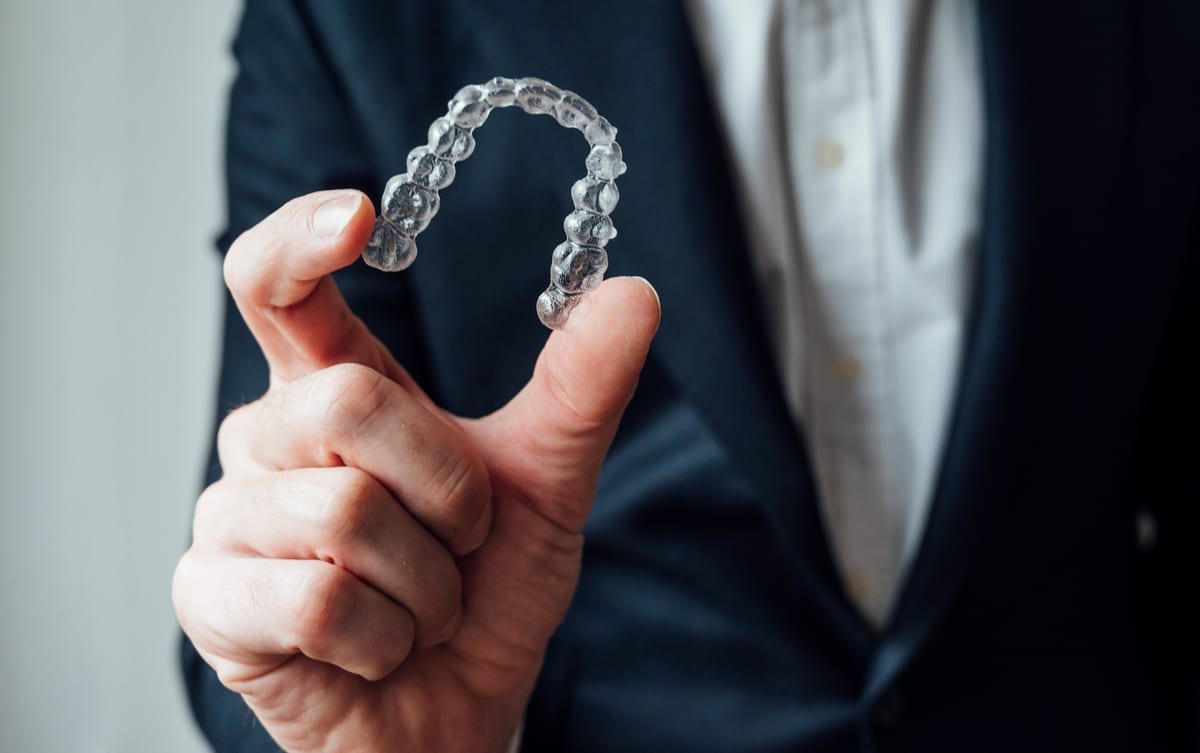
Invisalign works by using a series of custom-molded plastic trays. Each tray moves your teeth a small amount in a planned direction. The more movement needed, the more trays required to complete treatment. And more trays mean a higher overall cost.
Some patients complete treatment in as few as ten to fifteen aligner sets. Others may need forty or more to achieve their goals. The number isn’t chosen randomly — it reflects the precise movement plan mapped out using 3D imaging technology. Every aligner in that series has a job to do.
- Mild cases often require fewer aligners and shorter treatment timelines
- Moderate cases involve more tooth movement and a mid-range number of trays
- Complex cases require the most aligners and the longest treatment periods
- Teen versions of Invisalign may include additional replacement trays built into the plan
Understanding this helps patients see why a quote is not one-size-fits-all. The aligner count is a direct reflection of your unique dental anatomy and alignment goals.
The Role of Refinements in Total Treatment Cost
Refinements are an important — and often overlooked — part of the Invisalign process. A refinement occurs when additional aligner sets are created mid-treatment. This happens when teeth don’t quite reach their planned position after the initial series ends.
Not every patient needs refinements. However, many patients do — especially those with more complex cases. The need for refinements is difficult to predict at the start of treatment. Some practices include a set number of refinements in the original cost. Others bill for them separately.
This is one reason two patients with similar-looking cases might see different final costs. One may have needed two rounds of refinements. The other finished treatment right on schedule. Asking your provider how refinements are handled can help you plan your budget more accurately.
- Ask whether refinements are included in the quoted price or billed separately
- Understand that refinements are a normal part of treatment — not a sign something went wrong
- Find out how many refinement rounds are typically allowed under your plan
- Know that skipping refinements can affect your final results
Treatment Length, Provider Experience, and Local Factors in Katy
Treatment length directly affects cost in a few different ways. Longer treatment requires more frequent check-in visits. It also demands more provider time to monitor progress and make adjustments. These factors are built into the overall pricing structure at most dental practices.
Provider experience also plays a role. Dentists with advanced Invisalign training and higher case volumes may charge more — but they also bring a deeper level of expertise. Choosing an experienced provider often leads to fewer complications and better outcomes over time.
Location matters too. Katy, TX has seen significant growth in recent years. That means more dental providers, more competition, and more variation in how practices structure their pricing. Local overhead costs, office technology, and the level of personalized care all factor into what you ultimately pay.
At Katy Smile Design, every Invisalign consultation starts with a full assessment of your teeth, bite, and goals. Dr. Shepard takes time to explain what your specific case involves and why treatment is planned the way it is. That transparency helps patients feel confident — not confused — about their investment.
What to Expect During Your Invisalign Consultation
Your first step toward Invisalign is a thorough consultation. This visit gives your dentist a clear picture of your starting point. Digital scans, X-rays, and a clinical exam all help map out what treatment will look like for you specifically.
After gathering that information, your provider will outline a customized treatment plan. This plan will indicate how many aligners are needed, how long treatment should take, and what the process will involve. That’s also when pricing becomes clear — because the plan is now built around your actual case.
Patients who come in expecting a single standard number often leave surprised. But once they understand the reasoning behind their personalized plan, the cost makes a lot more sense. Every dollar reflects a specific clinical decision made in your best interest.
Conclusion
Why Invisalign costs vary so much between patients in Katy comes down to a few key factors. Case complexity, aligner count, refinements, treatment length, and provider expertise all shape your final investment. There is no universal price because there is no universal patient. At Katy Smile Design, Dr. Lauren Shepard, DDS, is committed to giving you a clear, honest picture of your treatment needs from the very first visit. Book Now to schedule your appointment with our team.
Frequently Asked Questions
Why does my Invisalign quote look different from my friend’s?
Every patient starts with a different baseline. Tooth alignment, bite issues, spacing, and jaw position all vary from person to person. These differences determine how many aligners are needed and how long treatment takes — which is why two patients can receive very different quotes for Invisalign treatment.
Does a more complex case always cost more with Invisalign?
Generally, yes. More complex cases require more aligners, longer treatment timelines, and more clinical monitoring. All of those factors contribute to a higher overall cost. However, the exact amount depends on how your provider structures their pricing and whether refinements are included upfront.
Are refinements included in the initial Invisalign cost?
It depends on the practice and the specific plan you’re quoted. Some providers bundle a set number of refinements into the starting price. Others charge for them separately if they’re needed. It’s always a good idea to ask your dentist how refinements are handled before you begin treatment.
How long does Invisalign treatment typically take in Katy?
Treatment length varies based on case complexity. Mild cases may be completed in six to twelve months. More involved cases can take eighteen months or longer. Your dentist will give you an estimated timeline during your consultation after reviewing your specific alignment needs.
Is Invisalign a good fit for patients who also need other dental work?
In some cases, patients need restorative dental work before or alongside Invisalign. Your dentist will assess your full oral health before recommending a treatment sequence. Addressing foundational dental needs first often leads to better, longer-lasting results from your aligner therapy.