24207 Kingsland Blvd Katy, TX 77494

Dental Implants Cost & Value in Katy, TX

If you’ve been told you need a tooth replacement, you’ve probably already searched the price. Dental implants cost more upfront, but here’s why they’re worth it in Katy — and why so many patients at Katy Smile Design consider them the smartest long-term investment they’ve made. Dr. Lauren Shepard, DDS helps patients understand not just what they’ll pay, but what they’re actually getting for that cost. This article breaks it all down in plain language.
Why Dental Implants Cost More Than Other Options
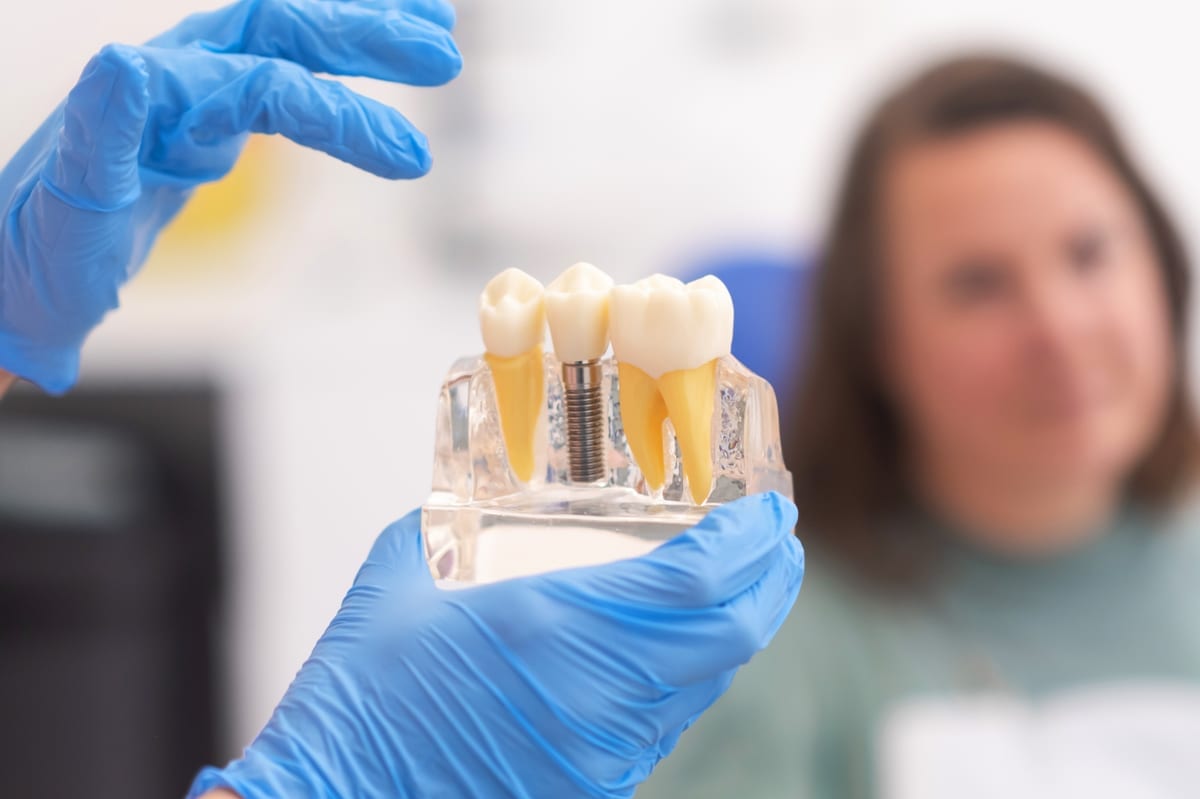
Dental implants are not a simple procedure. The process involves surgery, specialized materials, and multiple appointments over several months. Each of those factors contributes to the overall cost. Understanding what goes into the price helps patients make an informed decision.
Here are the primary cost drivers behind dental implants:
- Titanium implant post: This is the artificial root surgically placed into your jawbone. It must be medical-grade and precisely fitted.
- Abutment connector: This piece links the implant post to your final restoration. It requires custom fabrication for a proper fit.
- Crown or prosthetic tooth: The visible part of your implant is custom-made to match your natural teeth in size, shape, and color.
- Surgical expertise: Placing an implant requires advanced training and precision equipment.
- Pre-treatment care: Some patients need bone grafting or periodontal treatment before implant placement can even begin.
Bridges and dentures skip most of these steps. That’s why they cost less upfront. But that lower entry price often comes with hidden long-term costs that patients don’t anticipate at first.
What You’re Really Paying For — Long-Term Value in Katy
When you weigh dental implants cost more upfront but here’s why they’re worth it in Katy, the real conversation is about value over time. A well-placed implant can last 20 to 30 years or longer with proper care. Bridges typically last 10 to 15 years before needing replacement. Dentures often require adjustments, adhesives, and periodic replacements.
Implants also protect your jawbone. When a tooth is lost, the bone beneath it begins to shrink. This process is called resorption. An implant stimulates the bone just like a natural tooth root does, preventing that breakdown entirely.
Benefits that make implants worth the investment include:
- No slipping, clicking, or discomfort during eating or speaking
- No impact on neighboring healthy teeth, unlike dental bridges
- Preservation of your natural jawbone structure over time
- A natural look and feel that patients often forget is even there
- Lower maintenance compared to dentures — brush and floss like normal
- Improved confidence and quality of daily life
These benefits add up. When patients calculate what they’d spend replacing a bridge twice or managing denture repairs, implants often come out ahead financially. Dr. Shepard walks every patient through this comparison at Katy Smile Design.
Factors That Affect Your Individual Implant Cost in Katy
No two implant cases are identical. Your total cost will depend on several personal factors. Being aware of these helps you have a more productive conversation at your consultation.
Key factors that influence your final cost include:
- Number of implants: Replacing one tooth costs less than replacing multiple teeth or using implants to anchor a full arch.
- Bone density and health: If you’ve experienced bone loss, a bone graft may be required before placement. This adds to the timeline and cost.
- Gum health: Active gum disease must be treated before implant surgery. Periodontal care is a necessary first step for many patients.
- Location of the missing tooth: Back teeth experience more biting force. This can influence material choices and complexity.
- Technology used: Advanced imaging, digital planning, and guided surgery improve outcomes but can affect pricing.
At Katy Smile Design, Dr. Lauren Shepard reviews your full oral health picture before recommending a treatment path. The goal is always accuracy — not a rushed estimate. You’ll know exactly what’s included and why.
Financing Options That Make Implants More Accessible
Cost should not be the only reason someone avoids a treatment that could transform their health and confidence. Fortunately, several financing options exist to make implants manageable for most budgets. Dr. Shepard’s team is committed to helping Katy patients explore every available path.
Common financing approaches at dental practices like Katy Smile Design include third-party financing plans that spread the cost over months or years. Many of these plans offer low or zero interest periods for qualified applicants. This means you can begin treatment now and pay over time rather than delaying care.
Some patients also benefit from flexible spending accounts or health savings accounts, which allow pre-tax dollars to be used toward dental procedures. These accounts can meaningfully reduce the out-of-pocket impact of implant treatment. It’s worth asking your HR department or financial advisor about what you have available.
If you’re exploring broader oral health improvements alongside implants, treatments like Laser Dentistry may complement your plan with minimally invasive options. And if you have questions about other treatments, our Invisalign Faqs page is a helpful resource for understanding how to finance multiple services at once. Our team can help you sequence treatments to fit your schedule and budget.
Is a Dental Implant the Right Choice for You?
Not every patient is automatically a candidate for implants. A thorough evaluation is the only way to know for sure. Dr. Shepard takes a conservative, patient-first approach at every consultation. She will only recommend implants when they genuinely serve your long-term health.
Good candidates for dental implants typically include patients who are in good general health, have adequate bone density, maintain consistent oral hygiene, and are committed to the full treatment timeline. The process requires patience — healing between stages takes time. But the result is a restoration that functions and feels like a natural tooth.
Patients who are not yet candidates may benefit from preparatory treatments first. These might include bone grafting, periodontal therapy, or other stabilizing care. Dr. Shepard will outline a realistic roadmap so you never feel left in the dark about next steps.
If you’ve been putting off this decision because of cost concerns, this is the moment to get the facts straight. Understanding why dental implants cost more upfront — and why they’re worth it in Katy — puts the power back in your hands. Book Now to schedule your appointment with our team.
Frequently Asked Questions
Why do dental implants cost more than dentures or bridges?
Dental implants involve surgical placement, custom-fabricated components, and specialized materials like titanium. Dentures and bridges skip many of these steps, which is why their upfront price is lower. However, implants typically last much longer and require fewer replacements over a lifetime, which can make them more cost-effective in the long run.
How long do dental implants last compared to other tooth replacements?
With proper care, dental implants can last 20 to 30 years or more. Traditional dental bridges typically need replacement after 10 to 15 years. Dentures often require adjustments and replacements more frequently. This longevity is one of the primary reasons implants offer strong long-term value despite their higher upfront cost.
Does everyone need a bone graft before getting an implant?
Not every patient requires a bone graft. Bone grafting is only necessary when there has been significant bone loss at the site of the missing tooth. Dr. Lauren Shepard evaluates bone density and jaw health during your consultation and will let you know whether this step applies to your case before any treatment begins.
Can I finance dental implants at Katy Smile Design?
Yes. Katy Smile Design offers financing options to help make implant treatment more accessible. Many patients use third-party financing plans that allow monthly payment arrangements. Health savings accounts and flexible spending accounts are also options worth exploring. Our team can walk you through what’s available at your consultation.
What happens if I wait and don’t replace a missing tooth?
Delaying tooth replacement can lead to serious consequences. The jawbone beneath a missing tooth begins to shrink without stimulation from a tooth root. Neighboring teeth can shift into the gap over time. These changes affect your bite, your appearance, and the complexity of future treatment. Acting sooner generally leads to simpler and more affordable care.