24207 Kingsland Blvd Katy, TX 77494

Why Dental Cleanings Trigger Sensitivity—And How We Stop It

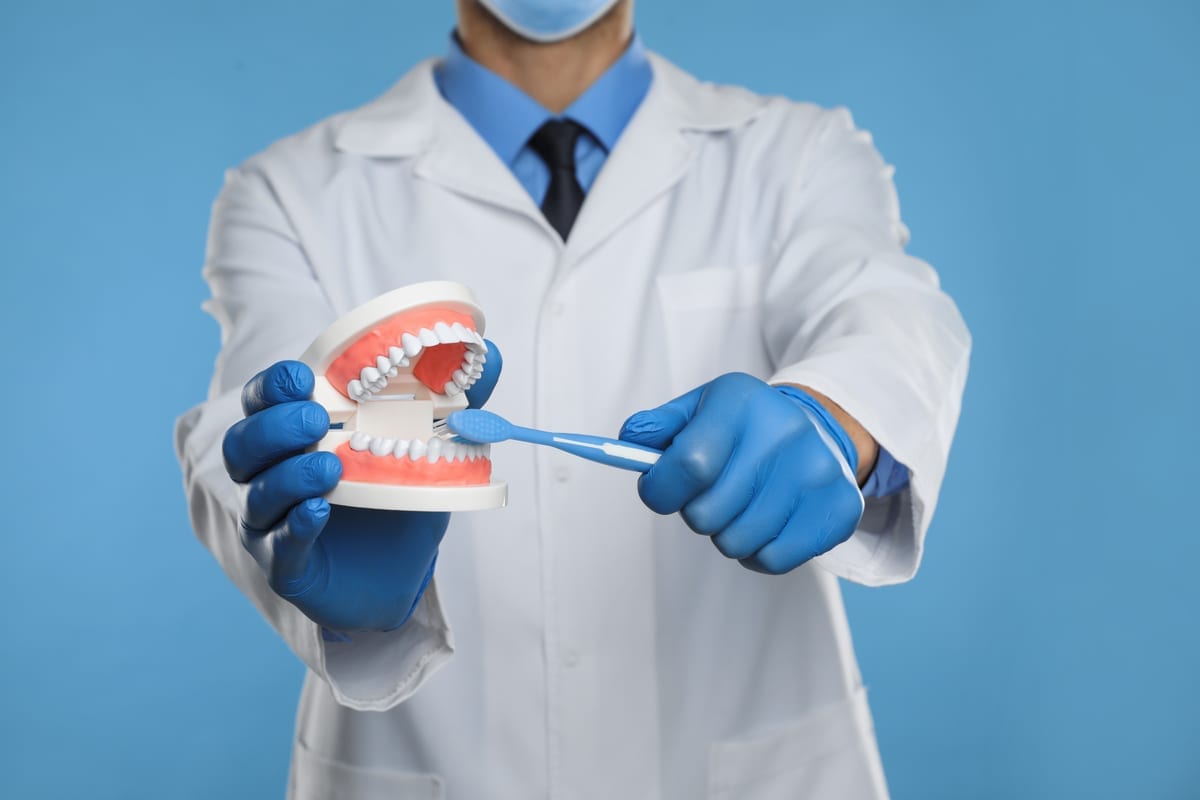
If you’ve ever winced during a routine cleaning, you’re not alone. Many patients across Katy, TX wonder why dental cleanings trigger sensitivity—and how we stop it before it becomes a barrier to care. Understanding what causes that sharp or achy feeling helps patients feel less anxious walking through our door. At Katy Smile Design, Dr. Lauren Shepard and our hygiene team work hard to keep every cleaning as comfortable as possible.
Why Dental Cleanings Trigger Sensitivity in the First Place
Sensitivity during a cleaning isn’t a sign that something is wrong with you. It usually points to specific conditions in your mouth that make the gum tissue or tooth roots more reactive. Knowing the cause helps both patients and hygienists plan ahead.
Here are the most common reasons cleanings cause discomfort:
- Gum recession: Exposed roots lack the protective enamel covering, making them sensitive to touch and temperature.
- Gum inflammation: Inflamed tissue bleeds and aches more easily during scaling.
- Tartar buildup: Heavy calculus requires more instrument pressure to remove, which increases sensation.
- Dentinal hypersensitivity: Open tubules in the dentin transmit sensations directly to the nerve.
- Thin enamel: Enamel worn from acid or grinding offers less insulation.
- Anxiety: Tension causes patients to clench, which amplifies every sensation.
Most of these factors are manageable with the right approach. Our team in Katy assesses your mouth before the cleaning even begins so we know where to be extra careful.
How Tartar and Gum Health Are Connected to Sensitivity
Tartar—also called calculus—is hardened plaque that bonds to tooth surfaces. The longer it stays, the more it irritates the gum tissue around it. That irritation causes gum inflammation, which is medically called gingivitis.
Inflamed gums are tender gums. When a hygienist removes tartar near swollen tissue, the instrument contact triggers a sharper response than it would with healthy gums. Patients often describe it as a zinging or aching sensation along the gumline.
The good news is that sensitivity during cleanings often decreases after consistent care. Once tartar is removed and gums heal, future cleanings become noticeably more comfortable. This is one of the biggest reasons we encourage patients not to skip appointments—it actually makes the next visit easier.
How We Minimize Sensitivity During Your Cleaning in Katy
Our hygienists in Katy use a range of techniques to reduce discomfort during every cleaning. We don’t take a one-size-fits-all approach because every patient’s mouth is different.
Here’s what we do to keep you comfortable:
- Topical numbing gel: Applied to the gums before scaling begins, this reduces surface sensitivity significantly.
- Ultrasonic scalers: These vibrating instruments use water irrigation and require less manual pressure than hand tools alone.
- Sectional cleaning: We work one small area at a time, giving you natural breaks to recover.
- Communication check-ins: We pause frequently to ask how you’re feeling and adjust our approach in real time.
- Desensitizing agents: Fluoride varnish or other treatments applied after cleaning help seal exposed tubules.
- Pacing the appointment: For highly sensitive patients, we may split the cleaning into two shorter visits.
Dr. Shepard believes that a patient who feels heard is a patient who comes back. Open communication during your appointment is not just welcomed—it’s essential to how we work.
When Sensitivity May Signal Something More Than a Normal Cleaning Response
Most sensitivity during a cleaning is normal and temporary. However, some cases point to an underlying issue that deserves a closer look. Dr. Shepard will evaluate your gum and bone health at every visit.
If you have significant gum recession, you may benefit from periodontal care beyond a standard cleaning. Deeper cleanings—called scaling and root planing—treat bacterial pockets below the gumline. This targeted treatment reduces long-term sensitivity by addressing the root cause of gum disease.
Tooth loss is another concern when gum disease goes untreated. Patients who have already lost teeth sometimes ask about replacement options. We offer Implant Dentistry Katy for those looking for a permanent, natural-feeling solution. We also provide Dental Bridges Katy as a non-surgical alternative for eligible patients.
If sensitivity persists between appointments or gets worse over time, that’s a signal to book a checkup sooner rather than later. Early intervention always leads to better outcomes.
Tips to Reduce Sensitivity Before and After Your Cleaning
You don’t have to wait until you’re in the chair to start managing sensitivity. A few simple habits at home can make a real difference in how your next cleaning feels.
Before your appointment, consider switching to a sensitivity toothpaste with potassium nitrate or stannous fluoride. Use it consistently for at least two weeks before your visit. These formulas gradually calm the nerve response inside the tooth.
After your cleaning, avoid very hot or very cold foods for a few hours. Your gums are freshly cleaned and temporarily more reactive. Rinsing with a fluoride mouthwash in the evenings also helps strengthen enamel and reduce sensitivity over time.
Most importantly, keep your regular six-month appointments. Consistent cleanings prevent tartar from accumulating to the point where removal becomes uncomfortable. Prevention is always the most painless strategy.
Reassurance for Anxious Patients in Katy
We understand that dental anxiety is real and valid. For some patients, past experiences with painful cleanings create lasting hesitation. If that describes you, please know that our entire team at Katy Smile Design approaches every anxious patient with patience and empathy.
You can ask us to stop at any time. You can use a hand signal if you need a break. You can ask questions before, during, and after your cleaning. We will never rush you or dismiss your concerns. Our goal is to make your visit feel safe from the moment you walk in.
Regular cleanings protect your health in ways that go far beyond fresh breath. They reduce your risk of gum disease, cavities, and even systemic health issues linked to oral bacteria. We want every Katy patient to feel confident choosing the care they deserve. Book Now to schedule your appointment with our team.
Frequently Asked Questions
Is it normal to feel pain during a dental cleaning?
Mild sensitivity or discomfort during a cleaning is common, especially if you have gum inflammation or tartar buildup. Sharp or significant pain is less typical and should be communicated to your hygienist right away so they can adjust their technique or apply numbing gel.
How can I tell my hygienist I need a break?
Simply raise your hand—that’s the universal signal in most dental offices, including ours. At Katy Smile Design, we encourage patients to use this signal freely. You can also speak up verbally at any time. We will always pause and check in with you before continuing.
Will my cleanings always be this sensitive, or does it improve?
For most patients, sensitivity during cleanings decreases significantly with regular care. Once inflammation is reduced and tartar is kept at bay, the gum tissue becomes healthier and less reactive. Many patients who found cleanings uncomfortable initially report much easier visits after staying consistent with their schedule.
What is scaling and root planing, and how is it different from a regular cleaning?
A regular cleaning removes tartar from above and just below the gumline. Scaling and root planing is a deeper treatment that cleans bacterial deposits from below the gumline and smooths the root surfaces to help gum tissue reattach. It is typically recommended when gum disease has progressed beyond early-stage gingivitis.
How soon after a cleaning should sensitivity go away?
Most post-cleaning sensitivity resolves within 24 to 48 hours. If sensitivity persists beyond a few days or worsens, contact our office so Dr. Shepard can evaluate whether there is an underlying issue that needs attention.