24207 Kingsland Blvd Katy, TX 77494

Why Your Invisalign Results Depend More on You Than Your Dentist

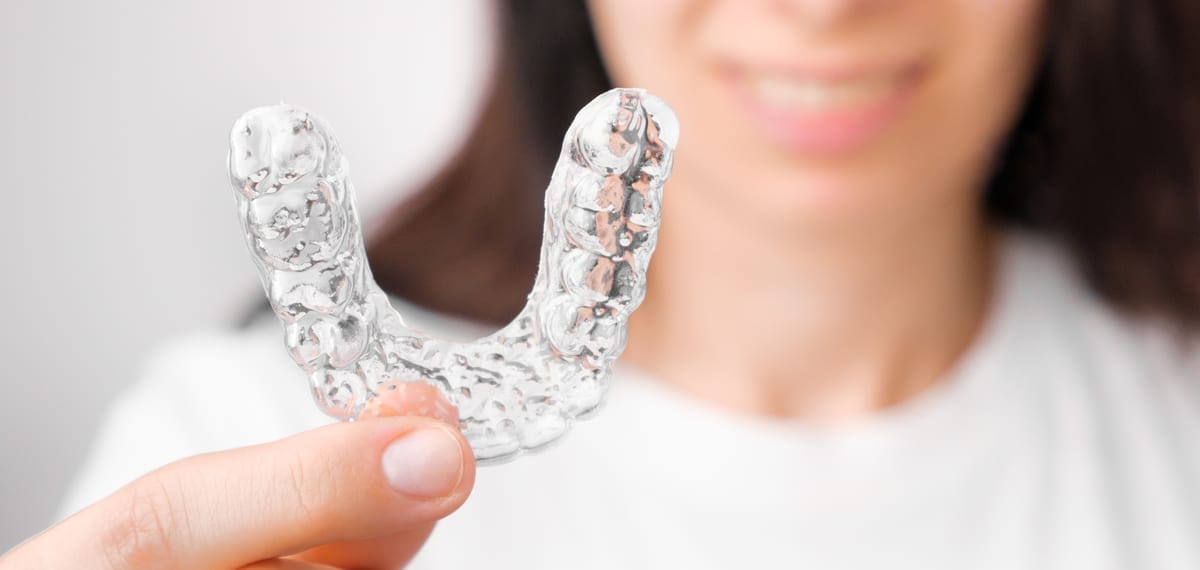
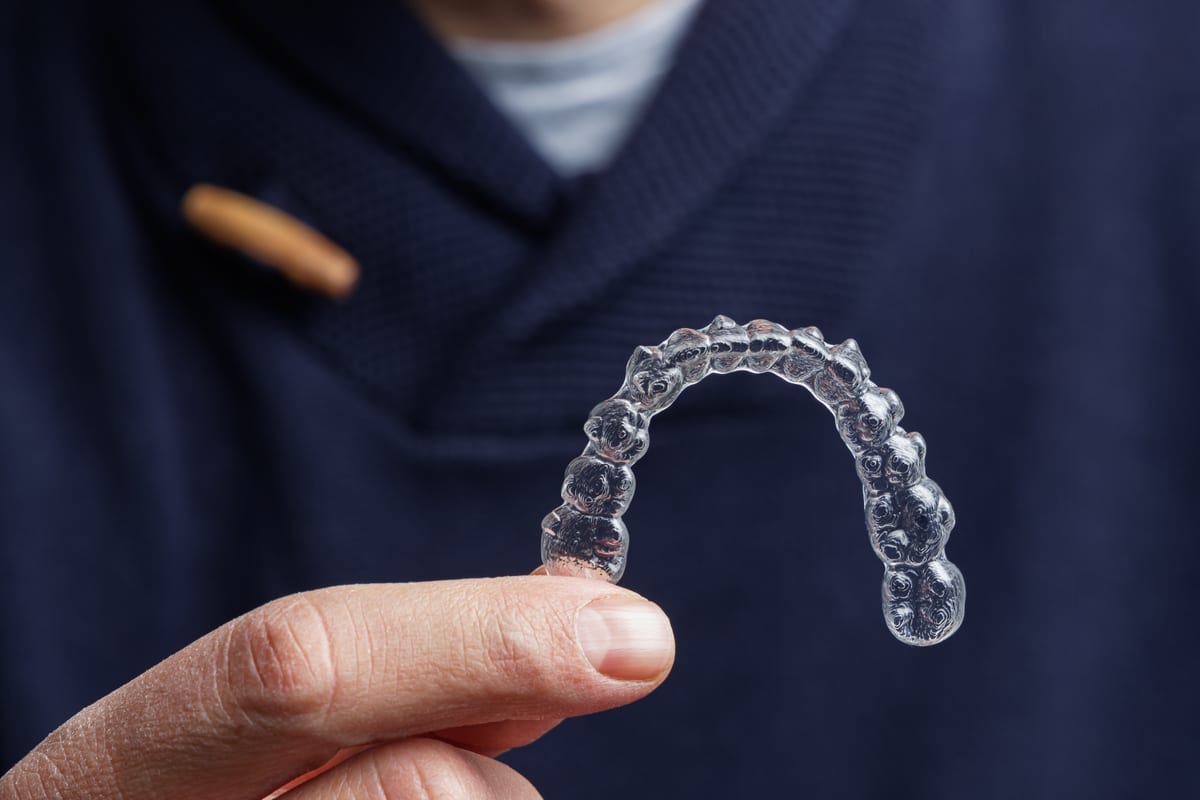
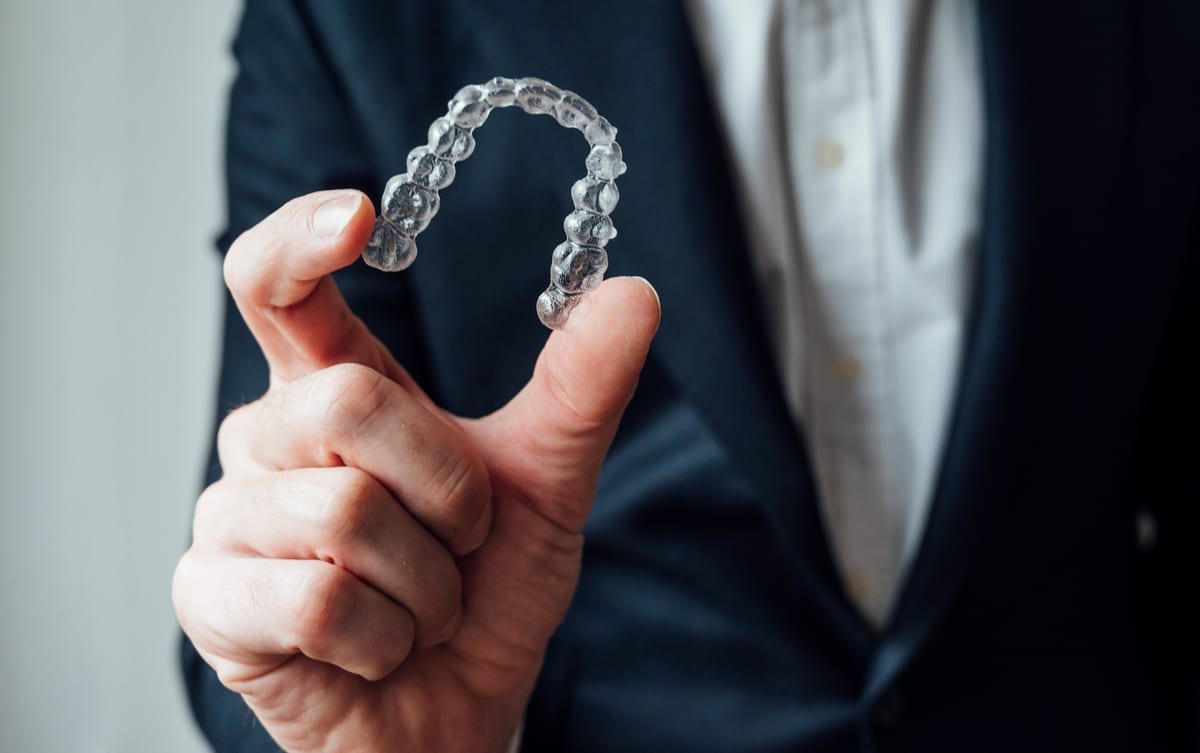
Most people assume Invisalign success comes down to the dentist’s skill. And while your provider absolutely matters, the truth is more personal. Why your Invisalign results depend more on you than your dentist in Katy is a question worth exploring before you start treatment. Your daily habits, your consistency, and your commitment to the process shape your outcome more than almost anything else.
At Katy Smile Design, Dr. Lauren Shepard helps patients understand exactly what they’re signing up for. This article breaks down realistic timelines, what speeds treatment up, and what drags it out — so you can make the most of every aligner.
What Is the Average Invisalign Timeline in Katy?
Most adult Invisalign cases take between 12 and 18 months. Mild alignment issues can resolve in as few as 6 months. More complex cases may stretch to 24 months or longer. Your starting point determines the floor — your behavior determines the ceiling.
Dr. Shepard will map out your personalized treatment plan during your initial consultation. You’ll see a projected end date before you ever receive your first set of aligners. But that projection assumes you wear your aligners as prescribed every single day.
Invisalign works by applying consistent, gentle pressure to shift teeth into place. Interrupting that pressure — even for a few hours daily — resets progress. Your teeth don’t wait for you to catch up.
Why Your Invisalign Results Depend More on You Than Your Dentist: The Compliance Factor
The single biggest variable in Invisalign treatment is wear time. Aligners must stay in your mouth for 20 to 22 hours every day. That leaves only 2 to 4 hours for eating, drinking anything other than water, and brushing your teeth.
Many patients underestimate how disciplined this requires them to be. It’s easy to lose track of time at meals. It’s tempting to leave aligners out during social events. Each hour of missed wear time adds up across weeks and months.
Here’s what compliance actually looks like in practice:
- Wearing aligners immediately after meals, even when out at restaurants
- Keeping a case on hand at all times so aligners aren’t wrapped in napkins
- Setting phone reminders to track daily wear time
- Resisting the urge to skip aligners overnight
- Switching to the next tray only when Dr. Shepard advises
Patients who hit 22 hours of daily wear consistently move through trays on schedule. Patients who average closer to 16 hours often find their treatment extends by months.
What Shortens Your Invisalign Treatment?
Some factors genuinely accelerate your results. Understanding them helps you take an active role in your timeline rather than just waiting for results to arrive.
Consistent wear time is the most powerful accelerator. There’s no shortcut that replaces it. Beyond that, a few evidence-based strategies can help:
- AcceleDent or Propel devices — vibration tools that some dentists use to stimulate bone remodeling around teeth
- Proper aligner seating — using chewies (small foam cylinders) to press aligners firmly against teeth after insertion
- Staying on top of check-up appointments — Dr. Shepard monitors your progress and catches issues before they cause delays
- Good oral hygiene — healthy gums and teeth move more predictably than inflamed or compromised ones
Attending every scheduled check-up is non-negotiable. These visits aren’t just formalities. Dr. Shepard uses them to verify your teeth are tracking correctly and to adjust the plan if needed.
What Extends Your Invisalign Timeline?
Just as some habits speed treatment along, others quietly extend it. Most patients don’t realize they’re off track until months have passed.
The most common culprits include skipping aligner wear during social situations and failing to advance trays on the correct schedule. Advancing too early is just as problematic as advancing too late. Both disrupt the planned pressure sequence your teeth need.
Other timeline extenders include:
- Gum inflammation from poor brushing habits around aligners
- Lost or damaged trays that require replacement before moving forward
- Missed appointments that delay progress monitoring
- Eating with aligners in, which warps them and reduces their effectiveness
If your teeth aren’t tracking to plan, Dr. Shepard may recommend refinements — additional sets of aligners to fine-tune results. Refinements are common and expected. But non-compliance is the leading reason refinements become necessary in the first place.
How Katy Smile Design Supports You Through the Process
Dr. Shepard and the team at Katy Smile Design don’t just hand you a box of aligners and wish you luck. They provide structured support throughout your treatment to keep you on track and motivated.
Your treatment includes clear instructions for each tray transition, scheduled progress checks, and direct access to the team when questions come up. If something doesn’t feel right with a new set of aligners, you don’t have to wait weeks to get answers.
Invisalign isn’t the only path to a healthier, more confident smile. Some patients benefit from restorative options like Implant Dentistry Katy or Dental Bridges Katy as part of a broader smile plan. Dr. Shepard evaluates each patient individually and recommends the approach that fits your unique goals and dental health.
The right provider keeps you informed, accountable, and on schedule. But the daily work still belongs to you.
Conclusion: Your Commitment Is the Real Treatment Plan
Invisalign is one of the most effective orthodontic tools available — when patients use it correctly. Your dentist designs the plan, creates the aligners, and monitors your progress. But no one can wear the aligners for you. The results you get at the end of treatment are largely a reflection of the effort you put in each day.
If you’re ready to start Invisalign or want to learn whether it’s the right fit for your smile, Dr. Lauren Shepard at Katy Smile Design is here to help. Book Now to schedule your appointment with our team.
Frequently Asked Questions
How many hours a day do I really need to wear Invisalign?
You need to wear your Invisalign aligners for 20 to 22 hours every day. Removing them only for eating, drinking non-water beverages, and oral hygiene is the standard recommendation. Falling consistently below 20 hours significantly extends your treatment timeline.
What happens if I forget to wear my aligners for a day?
Missing a full day of wear can cause your teeth to shift slightly back. You may need to stay in your current tray longer before advancing. Occasional missed hours are less critical than a pattern of low daily wear time, but consistency is always the goal.
Can Invisalign treatment finish faster than the projected timeline?
In some cases, yes. Patients who wear aligners diligently, use chewie tools, and attend all check-ups may progress slightly ahead of schedule. However, you should never advance to the next tray early without Dr. Shepard’s direction, as premature advancement can disrupt your treatment plan.
Why might I need Invisalign refinements at the end of treatment?
Refinements are additional aligner sets designed to fine-tune your final result. They’re common in many treatment plans and don’t indicate failure. However, they’re more frequently needed when compliance has been inconsistent, since teeth may not have tracked exactly as planned.
Is Invisalign the right choice for everyone at Katy Smile Design?
Not necessarily. Invisalign works well for mild to moderate alignment and spacing issues. Patients with more complex dental concerns may benefit from other treatments. Dr. Shepard conducts a thorough evaluation to determine the best approach for each individual patient’s smile goals and oral health needs.