24207 Kingsland Blvd Katy, TX 77494

What are the Signs of “Peri-implantitis” and How Does Katy Smile Design Treat It?

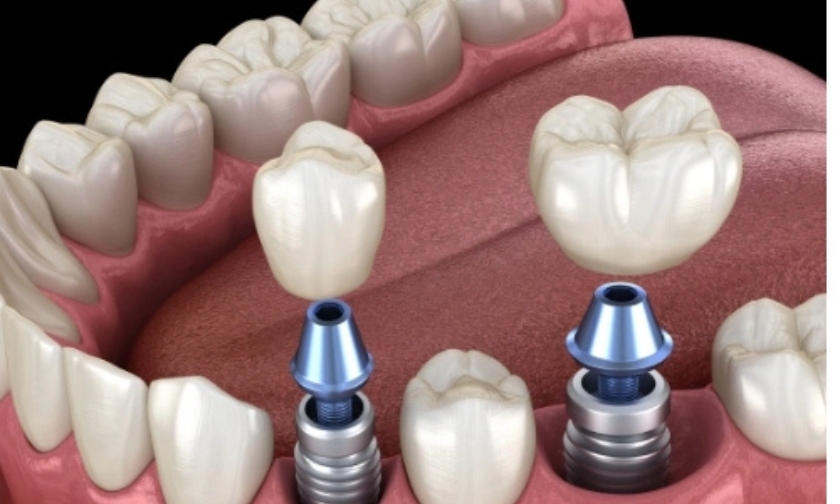
Dental implants are designed to restore missing teeth with long-term strength and stability. While they can last for many years, healthy gums and consistent oral care still play a major role in protecting them. Many people assume mild bleeding or tenderness around an implant is temporary irritation and delay getting it checked. Unfortunately, that small warning sign may point to something more serious.
Peri-implantitis is an inflammatory condition that affects the tissue and bone surrounding an implant. If left untreated, it can gradually weaken the support structure holding the implant in place. Early treatment is important because inflammation can spread quietly before major symptoms appear.
The good news is that modern periodontal care can often manage the condition before severe damage occurs. At Katy Smile Design, patients in Katy and nearby communities receive personalized care focused on protecting long-term oral health. Recognizing symptoms early can help preserve both your smile and the stability of your dental implants.
What Is Peri-implantitis?
Understanding Inflammation Around Dental Implants
Peri-implantitis is a condition that causes inflammation in the gums and supporting bone around a dental implant. It is often compared to gum disease around natural teeth because both conditions are linked to bacterial buildup and infection.
Plaque and bacteria can collect around dental implants in Katy when oral hygiene becomes inconsistent or when difficult areas are not cleaned properly. Over time, the surrounding gum tissue may become irritated and swollen. If bacteria continue spreading below the gumline, the bone supporting the implant may begin to deteriorate.
Unlike a natural tooth, an implant does not have the same connective tissue structure to help resist infection. That makes early inflammation especially important to identify and manage quickly.
Why It Should Never Be Ignored
Peri-implantitis is not just a cosmetic concern. If inflammation progresses, it may lead to bone loss around the implant. As support weakens, the implant may become unstable or uncomfortable during everyday activities like chewing or speaking.
Many patients are surprised to learn that symptoms can remain mild during the early stages. Some people notice occasional bleeding but no pain. Others experience tenderness that comes and goes. Delaying treatment gives bacteria more time to affect deeper tissues.
Early intervention significantly improves the chances of controlling the infection and protecting implant stability. That is why regular evaluations and prompt attention to warning signs are so important.
What Are the Early Signs of Peri-implantitis?
Bleeding Around the Implant
Bleeding while brushing or flossing near an implant should not be ignored. Healthy gums typically do not bleed regularly. Bleeding may indicate irritation and bacterial inflammation developing around the implant area.
Red or Swollen Gum Tissue
One of the first visible signs of peri-implantitis is redness or puffiness around the gums. The tissue may appear irritated or feel sensitive when touched. In many cases, swelling develops gradually and becomes more noticeable over time.
Persistent Bad Breath or Unpleasant Taste
Bacteria trapped around the implant can contribute to chronic bad breath or a persistent, unpleasant taste. Even with regular brushing, these symptoms may continue if infection is present below the gumline.
Tenderness or Discomfort While Chewing
Discomfort when biting down or chewing may suggest inflammation around the implant. Some patients describe it as mild pressure, while others feel sensitivity that worsens with harder foods. Ongoing tenderness should always be evaluated.
Gum Recession Around the Implant
As inflammation progresses, gum tissue may begin pulling away from the implant. This recession can expose portions of the implant structure and affect the appearance of the smile. Patients sometimes notice their implant crown looking longer than before.
Implant Feeling Loose
An implant should feel stable and secure. Any movement may indicate advanced bone loss surrounding the implant. This requires immediate professional evaluation because delayed care can increase the risk of implant failure.
In communities like Katy, where people stay active year-round with outdoor events, dining, and family activities, oral discomfort can quickly interfere with daily routines. Paying attention to these early symptoms helps patients seek treatment before more complex issues develop.
What Causes Peri-implantitis?
Poor Oral Hygiene Around Implants
Plaque buildup is one of the leading causes of peri-implantitis. Food particles and bacteria can accumulate around implants if brushing and flossing are inconsistent. Areas near the gumline often require extra attention.
Smoking and Tobacco Use
Smoking affects circulation and slows healing within the gums. Tobacco use also increases bacterial growth and makes it harder for the body to control inflammation.
History of Gum Disease
Patients who previously struggled with periodontal disease may have a greater risk of developing inflammation around implants. Existing gum sensitivity and bacterial imbalance can contribute to complications.
Bite Pressure and Teeth Grinding
Excessive pressure from grinding or clenching may place stress on the implant and surrounding bone. Over time, that added force can contribute to irritation and structural problems.
Missed Dental Maintenance Visits
Routine implant evaluations help identify early changes before severe symptoms develop. Professional cleanings and monitoring allow dentists to remove buildup and track gum health closely.
At Katy Smile Design, preventive maintenance plays an important role in protecting implant longevity and supporting healthy gum tissue.
How Is Peri-implantitis Diagnosed?
Clinical Examination of the Implant Area
Dentists examine the gums around the implant for redness, swelling, bleeding, and pocket depth. These measurements help determine the severity of inflammation.
Digital Imaging and Bone Assessment
Digital imaging allows dentists to evaluate bone levels around the implant. Bone loss may not always be visible during a routine visual examination alone.
Reviewing Implant Stability
The implant is carefully assessed to determine whether it remains secure. Stability testing helps identify whether inflammation has affected supporting structures.
Early diagnosis often allows treatment to begin before more advanced damage occurs.
How Does Katy Smile Design Treat Peri-implantitis?
Professional Deep Cleaning Around the Implant
Specialized cleaning techniques remove plaque and bacteria from the implant surface and surrounding tissue. This helps reduce irritation and control infection.
Laser or Antimicrobial Therapy
Modern periodontal therapies may help decrease bacterial activity and support healthier gum tissue. Antimicrobial treatments target infection while minimizing irritation.
Gum and Bone Regeneration Procedures
In cases involving bone loss, regenerative procedures may help rebuild supporting structures around the implant. These treatments aim to strengthen long-term stability.
Bite Adjustment and Implant Protection
If excessive pressure contributes to inflammation, adjustments may help distribute bite forces more evenly and protect the implant.
Personalized Maintenance Plans
Ongoing care is essential after treatment. Patients receive personalized cleaning recommendations, regular evaluations, and guidance designed to reduce recurrence.
Can Peri-implantitis Be Prevented?
Daily Implant Care Habits Matter
Consistent brushing and flossing help remove plaque around implants and gums. Implant-safe hygiene tools may also improve cleaning access.
Routine Periodontal Checkups Help Catch Problems Early
Regular visits allow dentists to monitor gum health and identify inflammation before it becomes severe.
Lifestyle Choices Affect Implant Health
Avoiding smoking, managing stress, and maintaining healthy habits can support gum health and reduce inflammation risks.
When Should You Schedule an Implant Evaluation?
Bleeding, swelling, gum recession, or discomfort around an implant should never be ignored. Even mild symptoms may indicate early inflammation beneath the gumline.
Prompt treatment often helps preserve surrounding bone and improve long-term stability of dental implants in Katy. Waiting too long may allow the infection to progress further.
If you notice changes around your implant while eating, brushing, or smiling, scheduling an evaluation early can make a significant difference in protecting your oral health.
Dental implants can remain strong and functional for many years when gum inflammation is addressed early. Symptoms like bleeding, swelling, tenderness, or gum recession should not be dismissed as minor irritation.
Modern periodontal care offers several effective ways to manage peri-implantitis and protect implant stability before more advanced complications develop. At Katy Smile Design, patients receive personalized care focused on preserving healthy gums and long-term smile function.
If you have noticed changes around your implant, scheduling an evaluation now may help prevent further damage and keep your smile healthy for years to come.
What People Ask
What are the early signs of peri-implantitis?
Early signs include bleeding gums, swelling, bad breath, discomfort while chewing, gum recession, and implants feeling loose.
Can peri-implantitis cause dental implant failure?
Yes, if left untreated, peri-implantitis can lead to bone loss, implant instability, and ultimately implant failure.
How does peri-implantitis differ from regular gum disease?
Peri-implantitis affects the tissue and bone around an implant, while gum disease affects the gums around natural teeth.
Can peri-implantitis be prevented?
Regular oral care, routine checkups, and avoiding smoking are key preventive measures for peri-implantitis.
Does smoking increase the risk of peri-implantitis?
Yes, smoking slows healing and promotes bacterial growth, increasing the risk of developing peri-implantitis.