24207 Kingsland Blvd Katy, TX 77494

Silent Gum Disease: Stop It Before Treatment Gets Expensive


Most people in Katy don’t realize they have gum disease until it’s already advanced. That’s exactly what makes it so dangerous. Silent gum disease — the kind that creeps in without obvious pain — can cost you far more in treatment if you ignore it. At Katy Smile Design, Dr. Lauren Shepard, DDS, helps patients understand exactly how to stop gum disease before it becomes expensive and difficult to reverse.
Why Gum Disease Is Called the ‘Silent’ Condition
Gum disease rarely announces itself with sharp pain. In its earliest stage, called gingivitis, symptoms are subtle and easy to dismiss. You might notice your gums bleed slightly when you brush. You might see a little puffiness around your gum line and think nothing of it.
That’s the trap. Those mild signs are your body’s early warning system firing. Left unaddressed, gingivitis advances into periodontitis — a serious infection that attacks the bone holding your teeth in place. By the time real pain appears, significant damage may already be done.
The bacteria responsible for gum disease thrive in plaque that builds up between teeth and along the gum line. Once that plaque hardens into tartar, only a dental professional can remove it. Everyday brushing simply cannot reach it.
Early Warning Signs Every Katy Resident Should Know
Catching gum disease early is the most powerful thing you can do for your long-term oral health. Dr. Shepard encourages every patient to watch for these warning signs between visits.
- Gums that bleed during brushing or flossing
- Persistent bad breath that doesn’t improve with brushing
- Swollen, red, or tender gum tissue
- Gums that appear to be pulling away from your teeth
- Teeth that feel loose or have shifted position
- Sensitivity to hot and cold that wasn’t there before
Many of these signs appear before any pain develops. That’s why routine checkups at Katy Smile Design are so important. A trained eye can spot early-stage gum disease that you might completely overlook at home.
How Silent Gum Disease Gets Expensive Without Prevention
Prevention costs a fraction of what treatment does. A professional teeth cleaning appointment is straightforward and affordable. Treating advanced gum disease is a different story entirely.
Periodontitis treatment often requires deep cleaning procedures called scaling and root planing. These go well below the gum line to remove built-up bacteria and tartar. Multiple appointments are typically needed. In severe cases, surgical intervention may be necessary.
When gum disease destroys the bone supporting your teeth, tooth loss can follow. Replacing missing teeth with solutions like Implant Dentistry Katy or Dental Bridges Katy are excellent options — but they represent a significant investment that prevention could have avoided. Stopping gum disease early in Katy is always the smarter financial and health decision.
Simple Preventive Steps That Stop Gum Disease Early
The good news is that early-stage gum disease is highly reversible. A consistent daily routine combined with professional care gives you a strong defense against it. Here’s what Dr. Shepard recommends to every patient.
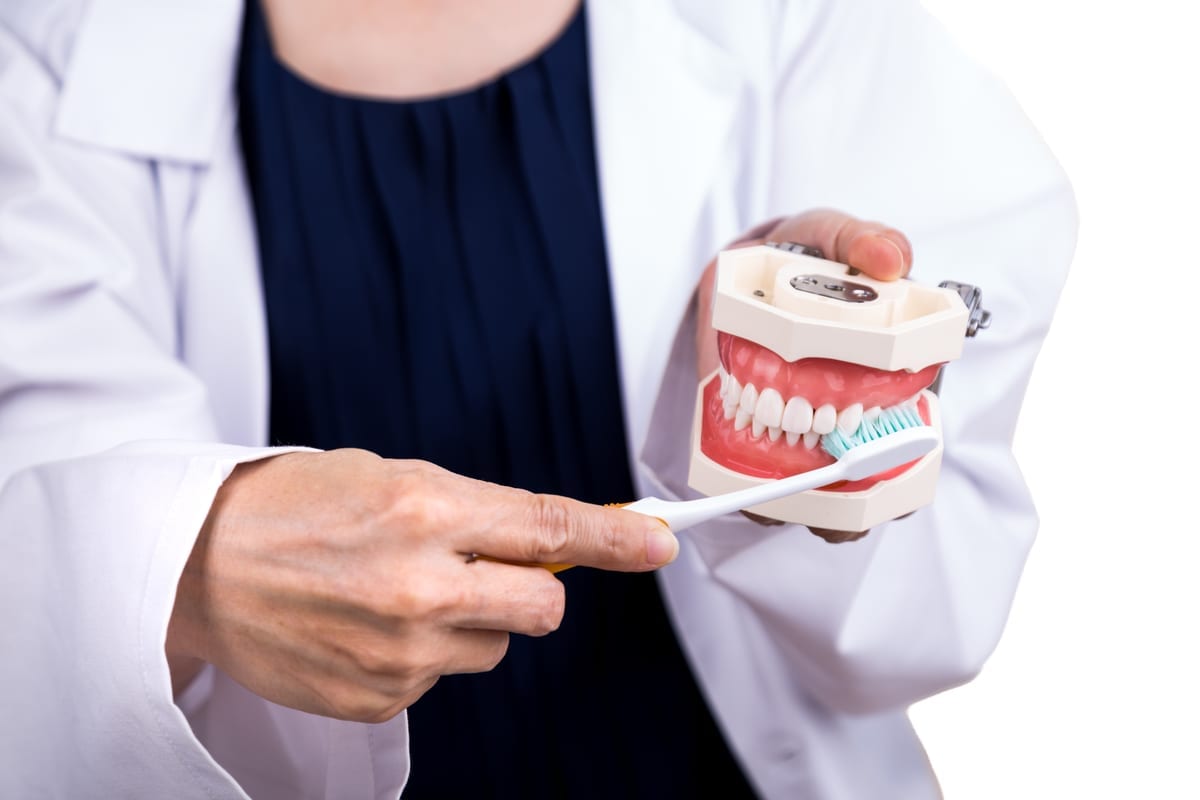
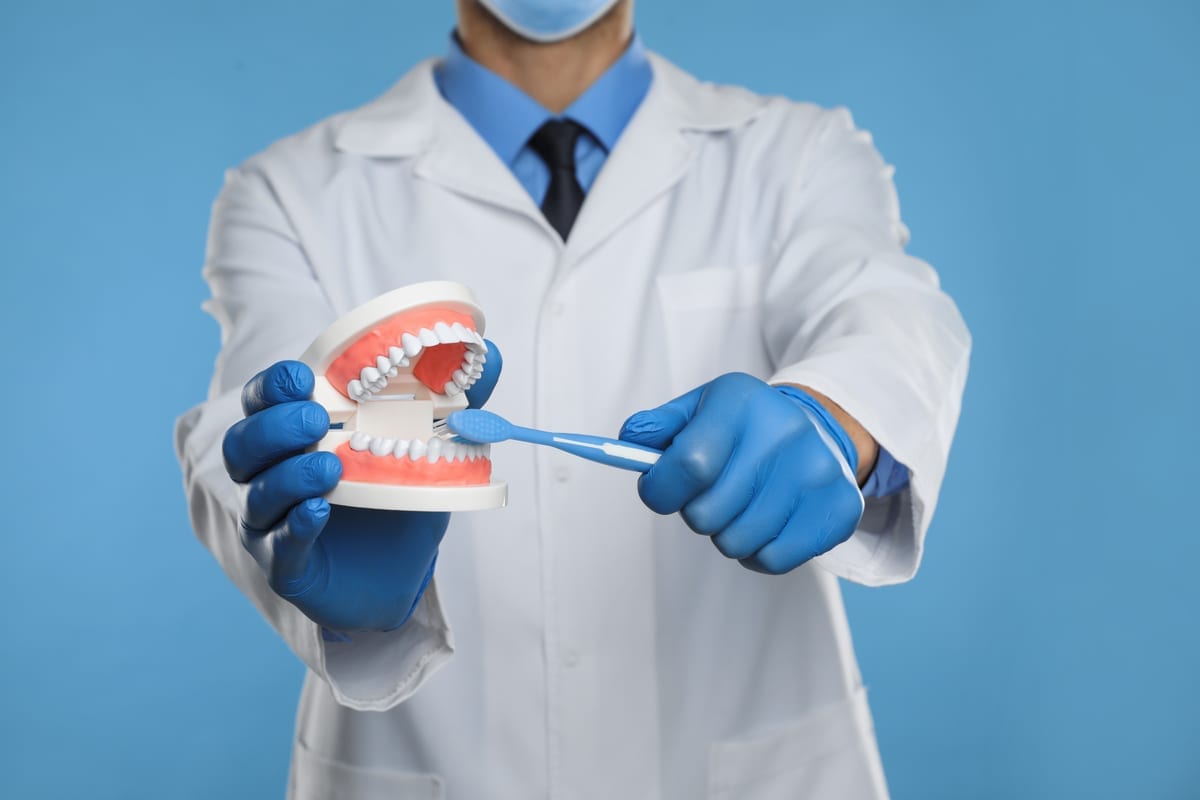
- Brush twice daily: Use a soft-bristled brush and fluoride toothpaste. Spend at least two minutes each session.
- Floss every single day: Flossing removes plaque from areas your toothbrush simply cannot reach.
- Use an antibacterial rinse: A therapeutic mouthwash helps reduce bacterial load in hard-to-reach areas.
- Stay hydrated: Dry mouth allows bacteria to thrive. Drinking water throughout the day helps rinse away food debris.
- Avoid tobacco products: Smoking and smokeless tobacco significantly increase gum disease risk and slow healing.
- Schedule cleanings every six months: Professional cleanings remove tartar before it causes serious damage.
Consistency matters more than perfection. Even small improvements to your daily habits can make a measurable difference in gum health over time. Dr. Shepard’s team at Katy Smile Design is happy to walk you through a personalized routine at your next visit.
What Periodontal Care at Katy Smile Design Looks Like
At Katy Smile Design, periodontal care is built around early intervention and patient education. The process begins with a thorough evaluation at your cleaning appointment. Dr. Shepard measures pocket depths around each tooth to identify any signs of gum attachment loss.
If early gum disease is detected, the team maps out a clear plan before the condition advances. This may include more frequent cleanings, targeted hygiene guidance, or a deeper cleaning if needed. Every recommendation is explained clearly so you understand exactly what’s happening and why.
The goal is always to keep treatment as simple as possible. Addressing gum concerns at the earliest stage protects your smile and your budget. Katy patients who stay consistent with their care routine consistently see better outcomes over the long term.
Frequently Asked Questions
Can gum disease really develop without any pain?
Yes, absolutely. Gum disease is notorious for progressing silently, especially in its early stages. Many patients feel no discomfort at all until the condition has already advanced significantly. This is why routine dental visits are so critical — a professional exam can detect what you cannot feel at home.
How often should I come in for a cleaning to prevent gum disease?
Most patients benefit from a professional cleaning every six months. However, if you already show signs of gum disease or have risk factors like diabetes or a history of periodontitis, Dr. Shepard may recommend more frequent visits — typically every three to four months.
Is gum disease reversible?
Gingivitis, the earliest stage of gum disease, is fully reversible with proper professional care and an improved home routine. Advanced periodontitis causes permanent bone loss that cannot be undone, though it can be managed to prevent further damage. Early action is always the most effective approach.
What puts someone at higher risk for gum disease?
Several factors increase your risk, including smoking, diabetes, hormonal changes during pregnancy, a family history of gum disease, and certain medications that reduce saliva flow. Even high stress levels have been linked to increased gum disease risk. Letting Dr. Shepard know about your health history helps her tailor your care plan appropriately.
What’s the difference between a regular cleaning and a deep cleaning?
A regular cleaning removes plaque and tartar from above and just below the gum line. A deep cleaning — called scaling and root planing — goes further below the gum line to clean infected root surfaces and remove bacteria from deeper pockets. Deep cleanings are recommended when gum disease has already progressed beyond the earliest stage.
Don’t wait for pain to tell you something is wrong with your gums. Silent gum disease can be stopped before it becomes a serious problem — and before treatment costs climb. Schedule your visit with Dr. Lauren Shepard and the team at Katy Smile Design today. Book Now to schedule your appointment with our team.