24207 Kingsland Blvd Katy, TX 77494

Can Smoking Affect the Seal of Your Implant Restoration?

Dental implants have revolutionized the way we restore missing teeth, offering a permanent and reliable solution for patients seeking to regain their smiles and oral function. These restorations not only help with chewing and speaking but also improve self-confidence by filling in gaps caused by lost teeth.
However, like any dental procedure, implant success depends on several factors, and one major concern is smoking. Can smoking negatively impact the seal of your implant restoration?
Smoking is known to contribute to various oral health issues, from gum disease to tooth decay, but what about its effect on dental implants? In this blog, we’ll explore how smoking can compromise your implant restoration, its impact on healing, and how you can protect your investment in a healthy, beautiful smile.
What is Implant Restoration and the Seal?
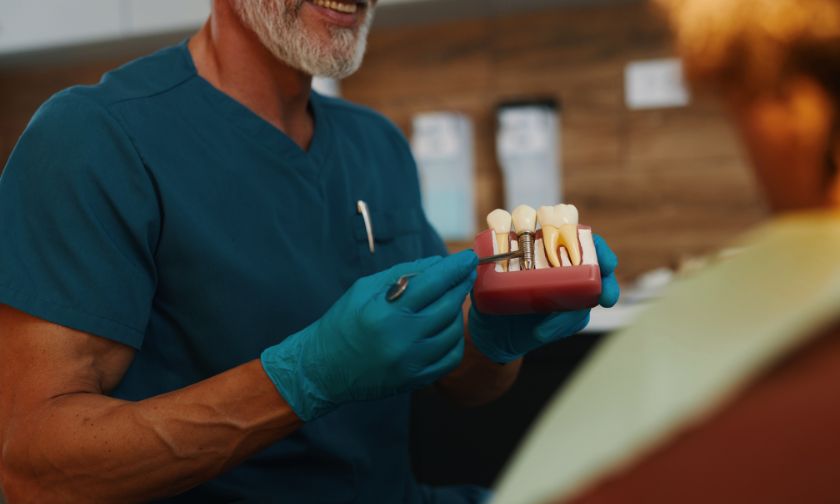
Dental implant restoration is the process of placing a custom-made prosthetic (like a crown or bridge) onto a titanium post that is surgically inserted into the jawbone. This post serves as a replacement for the root of a missing tooth, providing a stable base for the crown that mimics the appearance and function of natural teeth. The crown or prosthetic is securely attached to the implant, completing the restoration.
A crucial part of this process is the seal between the implant and the surrounding tissues. This seal helps prevent bacteria and food particles from entering the area around the implant, reducing the risk of infection and gum disease.
A well-sealed implant is essential for its longevity, as it promotes healing and supports osseointegration. The process where the implant fuses with the jawbone. When the seal is compromised, the stability and functionality of the implant can be threatened.
Why Is the Seal So Important?
The importance of a tight, stable seal cannot be overstated. It helps in preventing leakage, which could lead to bacterial infections that jeopardize the implant’s success.
Without this protection, the implant could fail, or the gum tissue may begin to recede, which will affect the overall aesthetic appearance of the restoration. Maintaining the integrity of this seal is crucial for long-term success, and smoking can hinder this delicate process.
How Smoking Affects Your Oral Health
Smoking has been a known enemy of oral health for years. The chemicals found in tobacco can harm your gums, teeth, and overall oral environment, making it more challenging for your body to heal, especially after surgical procedures like dental implants. Let’s break down how smoking can impact your gums and oral health.
General Impact on Gums
When you smoke, it reduces the blood flow to your gums, which impairs their ability to heal properly. Good blood circulation is essential for the delivery of nutrients to the healing tissues around your implant. Without proper circulation, your gums may not recover as quickly or effectively, leading to slower healing times and a higher risk of complications.
Risk of Gum Disease and Infections
Smoking significantly raises your risk of developing gum disease, which is the leading cause of implant failure. The toxins in cigarettes contribute to the accumulation of plaque and bacteria around your teeth and gums, leading to inflammation, infection, and even bone loss.
Gum disease can also affect the tissue surrounding the implant, compromising the stability of your restoration. This increased risk of infection is particularly dangerous for individuals with dental implants, as it can undermine the success of the procedure.
The Effects of Smoking on Implant Seal
While smoking poses numerous risks to your oral health, its effects on the seal of your dental implant restorations in Katy can be particularly harmful. Here’s how smoking can disrupt the healing process and the integrity of your implant:
Impaired Healing
One of the most significant challenges smokers face after receiving a dental implant is impaired healing. Smoking slows down the body’s natural healing process by restricting blood flow and reducing the effectiveness of white blood cells, which are vital for fighting infections.
This means that the gum tissue around the implant will take longer to heal, putting the implant at risk of complications, including failure to properly integrate with the bone.
Increased Risk of Peri-implantitis
Peri-implantitis is a condition that causes inflammation of the tissues surrounding the implant, which can ultimately lead to implant failure. Smoking is a major risk factor for peri-implantitis, as it contributes to bacterial buildup and reduces the ability of the gums to fight off infections.
This chronic inflammation around the implant weakens the seal, and if left untreated, it can lead to bone loss, infection, and even the loss of the implant itself.
Impact on Bone Integration
The process of osseointegration is essential for the long-term success of dental implants. This is when the implant fuses with the jawbone to become a permanent part of your mouth.
Smoking hinders this process by reducing bone density and interfering with the healing of bone tissues around the implant. Without proper integration, the implant may not provide the stability needed for a functional restoration, making it more prone to failure.
Signs That Smoking is Affecting Your Implant Restoration
If you smoke, it’s crucial to keep an eye out for signs that your implant restoration might be compromised. Recognizing the early warning signs can help you seek professional treatment before the issue worsens.
Visible Inflammation or Infection
One of the most noticeable signs that smoking is affecting your implant is visible inflammation or infection. If the area around your implant becomes swollen, red, or painful, this could indicate that the seal has been broken or that there is an infection present.
You may also experience pus or a bad taste in your mouth, which is a clear sign of bacterial growth. These symptoms should not be ignored, as untreated infections can lead to implant failure.
Difficulty with Healing
If your gums or the surrounding tissues aren’t healing as expected after your implant procedure, smoking could be the culprit. Smokers may notice that their gums take longer to close or that they don’t fully reattach to the implant. This delayed healing can compromise the seal and increase the risk of further complications down the line.
How to Minimize the Risks of Smoking on Implant Restoration
While quitting smoking entirely is the best solution for protecting your dental implant restorations in Katy, there are several steps you can take to minimize the risks if you’re unable to quit right away.
Quit or Reduce Smoking
The best way to protect your dental implant restoration is to quit smoking altogether. Reducing or eliminating your tobacco consumption can significantly lower the risk of complications and improve your healing process. If quitting is challenging, talk to your doctor about smoking cessation programs or other ways to manage cravings.
Regular Checkups
Even if you continue to smoke, it’s essential to maintain regular checkups with your dentist. Frequent visits will help monitor the health of your implant and surrounding tissues, allowing your dentist to address any issues early on before they become more serious. Early intervention can often prevent implant failure and save your restoration.
Enhanced Oral Care
Good oral hygiene is critical for implant success, especially for smokers. Brushing and flossing regularly, as well as using an antibacterial mouthwash, can help prevent infection and plaque buildup. Make sure to follow your dentist’s recommendations for aftercare and use any prescribed treatments to protect your implant.
Can Smoking Be a Deal-Breaker for Implant Success?
Success Rate with Smoking
Studies show that the success rates of dental implants are significantly lower for smokers compared to non-smokers. Smokers are more likely to experience complications such as peri-implantitis, delayed healing, and implant failure. However, many smokers still achieve successful implant restorations with proper care and consistent dental visits.
Consulting with Your Dentist
If you smoke and are considering dental implants, it’s crucial to consult with your dentist or periodontist at Katy Smile Design. They can assess your oral health, discuss the risks, and offer guidance on how to improve your chances of success. Whether you’re ready to quit or looking for alternatives to improve healing, your dentist will be able to provide a personalized treatment plan.
In summary, smoking can significantly compromise the seal of your dental implant restoration by impairing healing, increasing the risk of infection, and hindering the integration process. If you’re a smoker, it’s essential to understand the risks and take proactive steps to protect your implant’s success.
At Katy Smile Design, we’re committed to helping you achieve a healthy, lasting smile. Contact us today to schedule a consultation and learn how we can assist you in achieving the best possible outcome with your dental implant restoration.
Frequently Asked Questions
Can smoking cause implant failure?
Smoking can slow the healing process and increase the risk of infections and inflammation, leading to implant failure if not managed properly.
How does smoking affect bone integration with dental implants?
Smoking hampers osseointegration, the process by which the implant fuses with the jawbone, making it more difficult for the implant to remain stable.
What are the visible signs that smoking is affecting my dental implant?
Redness, swelling, pain, and slow healing around the implant site may indicate smoking-related complications or infections.
How can I protect my implant if I smoke?
Consider quitting or reducing smoking, maintaining excellent oral hygiene, and visiting your dentist regularly for check-ups and monitoring.
Can smoking make dental implant restorations look unnatural?
Smoking may contribute to gum recession, which can affect the appearance of the implant restoration. Proper care and cessation can help maintain a natural look.