24207 Kingsland Blvd Katy, TX 77494

Dental Implants: What You Need to Know

Dental Implants: A Complete Guide to Restoring Your Smile
Dental implants are one of the most effective solutions for replacing missing teeth. They look, feel, and function like natural teeth. Millions of people choose implants every year for long-lasting results. At Katy Smile Design, our dental team is committed to helping you understand every step of the process.
Missing teeth affect more than your appearance. They can change how you speak, chew, and feel about yourself. Understanding your options is the first step toward making a confident decision. This guide explains everything you need to know about dental implants.
What Are Dental Implants?
A dental implant is a small titanium post. It is placed into the jawbone where a missing tooth once sat. Over time, the post fuses with the bone in a process called osseointegration. This creates a strong, stable foundation for a replacement tooth.
An implant has three main components. The titanium post acts as the tooth root. An abutment connects the post to the visible crown. The dental crown is the part that looks like a natural tooth.
Implants are different from dentures or bridges. They do not rely on neighboring teeth for support. They also help preserve jawbone density over time. That makes them a uniquely beneficial long-term option.
Who Is a Good Candidate for Dental Implants?
Most healthy adults are candidates for dental implants. However, several factors affect whether implants are right for you. Our dental team evaluates each patient carefully before recommending treatment.
Good candidates typically share these traits:
- Sufficient jawbone density to support the implant post
- Healthy gum tissue free from active periodontal disease
- No uncontrolled health conditions that affect healing
- Non-smokers or those willing to quit during treatment
- Commitment to good oral hygiene habits after placement
Bone loss does not automatically disqualify you. A bone grafting procedure can often build up the jaw first. Our team will assess your situation with detailed imaging. We want to find the best path forward for your unique needs.
The Dental Implant Process: Step by Step
The implant process takes place over several months. Each stage is carefully planned to ensure the best outcome. Understanding what to expect helps reduce anxiety and prepares you for success.
Here is a general overview of the process:
- Initial Consultation: Your dental team reviews your health history and takes X-rays or 3D scans.
- Treatment Planning: A personalized plan is created based on your jawbone and oral health.
- Implant Placement: The titanium post is surgically placed into the jawbone under local anesthesia.
- Healing Period: The implant fuses with the bone over several weeks or months.
- Abutment Placement: Once healed, a small connector piece is attached to the post.
- Crown Placement: A custom-made crown is secured onto the abutment to complete your smile.
Recovery time varies from patient to patient. Most people return to normal activities within a few days of surgery. Mild swelling and discomfort are common and manageable. Your dental team will provide clear aftercare instructions at every stage.
Benefits of Dental Implants Over Other Options
Dental implants offer several advantages that other tooth replacement options cannot match. They are worth considering for anyone facing tooth loss. Understanding these benefits helps you make an informed choice.
- Natural appearance: Crowns are custom-made to blend with surrounding teeth.
- Durability: With proper care, implants can last decades or even a lifetime.
- Bone preservation: Implants stimulate the jawbone and prevent bone loss.
- No slipping or shifting: Implants are permanently anchored and stay in place.
- Easy maintenance: Brush and floss them just like natural teeth.
- Improved confidence: A complete smile positively impacts self-esteem and daily comfort.
Dentures and bridges serve important purposes. However, they do not stimulate the jawbone the way implants do. Over time, bone loss from missing teeth can change your facial structure. Implants are the only option that addresses this concern directly.
Many patients also report improved chewing ability after implants. Eating the foods you love becomes easier and more enjoyable. Speaking clearly also improves when teeth are stable and well-positioned.
Caring for Your Dental Implants
Implants require consistent care to stay healthy long-term. The good news is that caring for them is straightforward. You do not need special tools or complicated routines.
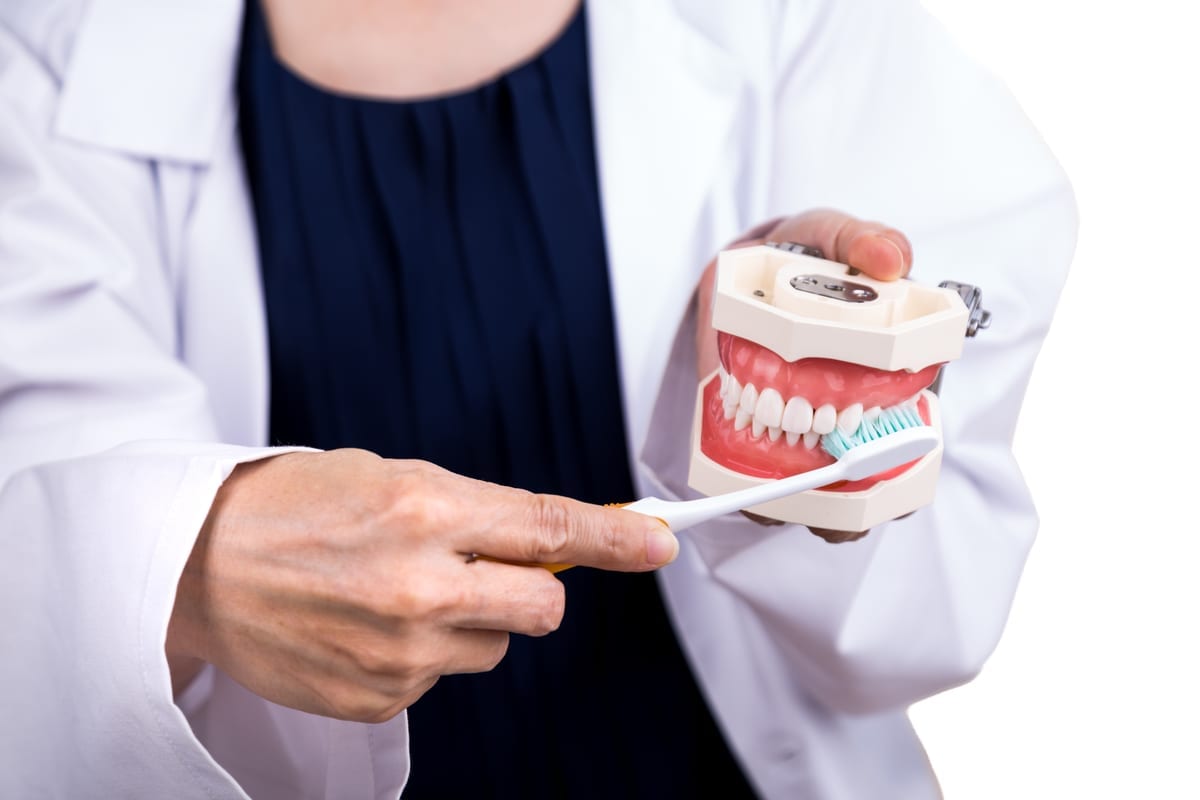
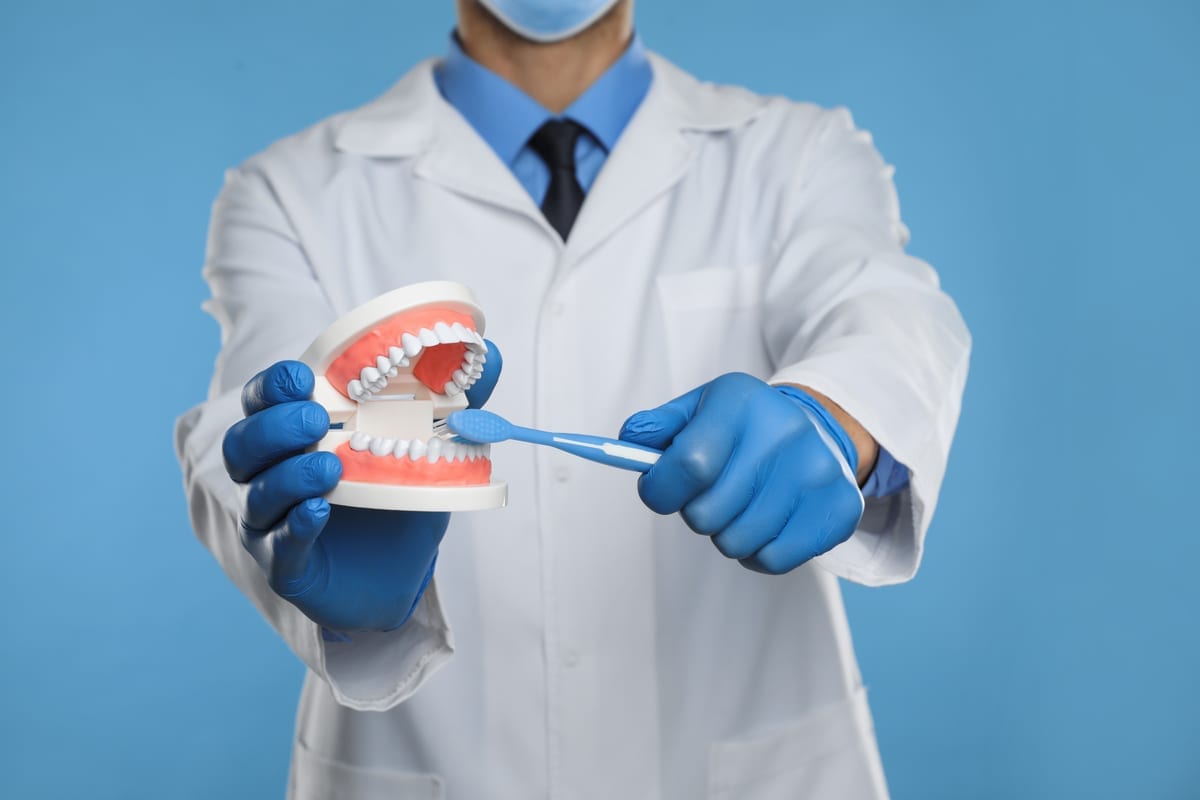
Daily brushing and flossing remain essential. Use a soft-bristled toothbrush and non-abrasive toothpaste. Flossing around the implant removes plaque from the gumline. This helps prevent infection and keeps the surrounding tissue healthy.
Regular dental checkups are equally important. Our team monitors the implant, surrounding bone, and gum tissue at each visit. Early detection of any issues leads to faster, simpler solutions. Routine preventive dental care is the best way to protect your investment.
Avoid habits that can damage your implant. Chewing on ice, hard candies, or pen caps puts stress on the crown. If you grind your teeth at night, a nightguard can protect both implants and natural teeth. Talk to our dental team about any concerns between visits.
Combining Implants With Other Dental Treatments
Many patients choose dental implants alongside other treatments. A complete smile transformation often involves more than one procedure. Our team at Katy Smile Design can coordinate a comprehensive treatment plan just for you.
For example, some patients pair implants with porcelain veneers for a full smile makeover. Others may need a crown or periodontal treatment before implant placement. We take a whole-mouth approach to ensure all treatments work together harmoniously.
Family members of different ages can also benefit from our services. From pediatric dentistry to adult implant care, we offer a full range of treatments under one roof. Explore our full list of services to learn what is available for your family.
Frequently Asked Questions
How long do dental implants last?
With proper care, dental implants can last 20 years or more. Many patients keep their implants for a lifetime. The crown may need replacement after 10–15 years due to normal wear. Regular checkups help monitor the health of the implant over time.
Is the dental implant procedure painful?
Most patients report less discomfort than they expected. The procedure is performed under local anesthesia, so you should not feel pain during placement. Mild soreness and swelling are common in the days following surgery. Over-the-counter pain relievers are usually enough to manage any discomfort.
How many teeth can be replaced with implants?
Implants can replace a single tooth, multiple teeth, or even a full arch. Implant-supported bridges and full-arch restorations are available for patients with significant tooth loss. Your dental team will recommend the best option based on your specific situation.
Can dental implants fail?
Implant failure is rare but possible. Risk factors include smoking, poor oral hygiene, and certain health conditions. Choosing an experienced dental team and following aftercare instructions greatly reduces this risk. Most implants integrate successfully and remain stable for many years.
What is the difference between implants and dentures?
Dentures are removable appliances that rest on the gumline. Dental implants are permanently anchored into the jawbone. Implants do not slip or require adhesives. They also preserve jawbone density, which dentures cannot do.
Dental implants represent a life-changing solution for those dealing with tooth loss. They offer lasting function, natural aesthetics, and meaningful health benefits. Our dental team at Katy Smile Design is here to guide you through every stage of the journey. Learn More about how we can help you.